
Qutb Minar and its MonumentsDelhi

By Rachel Heller
What is Qutb Minar and its Monuments?
Qutb Minar (sometimes written as Qutab Minar) and its Monuments is a collection of structures dating to the 12th centurywhen Islamic rulers first took power in India. The monuments include mosquesa tower (minaret)and tombs added over the next several centuries. The decorative detail and ambitious size of the elements was an expression of the early Islamic rulers’ aspirations to establish themselves in terms of both power and religion.
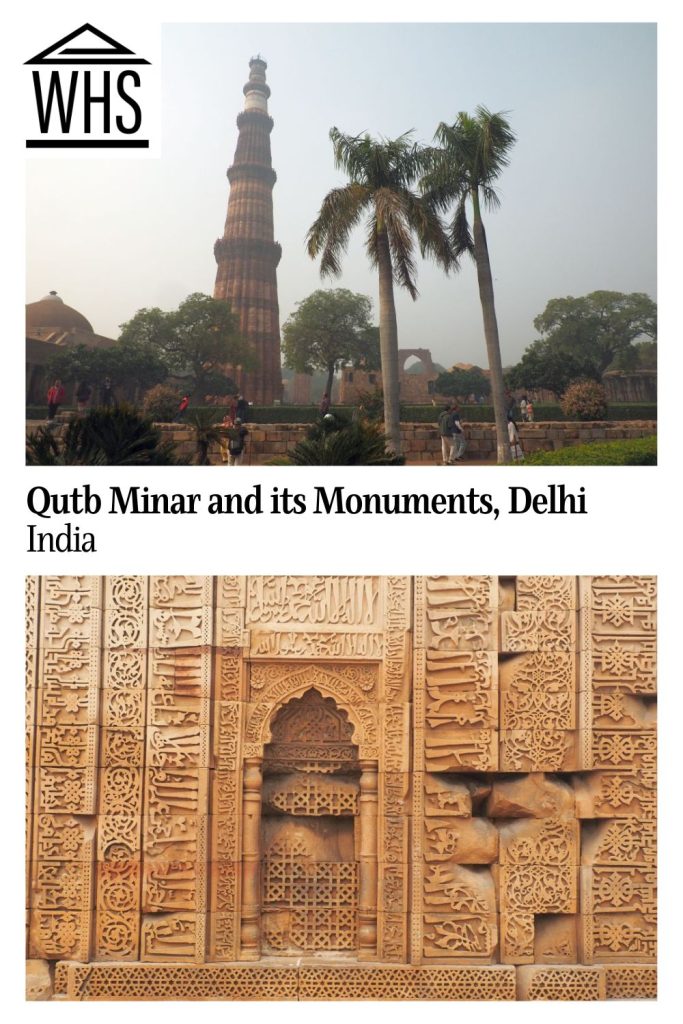
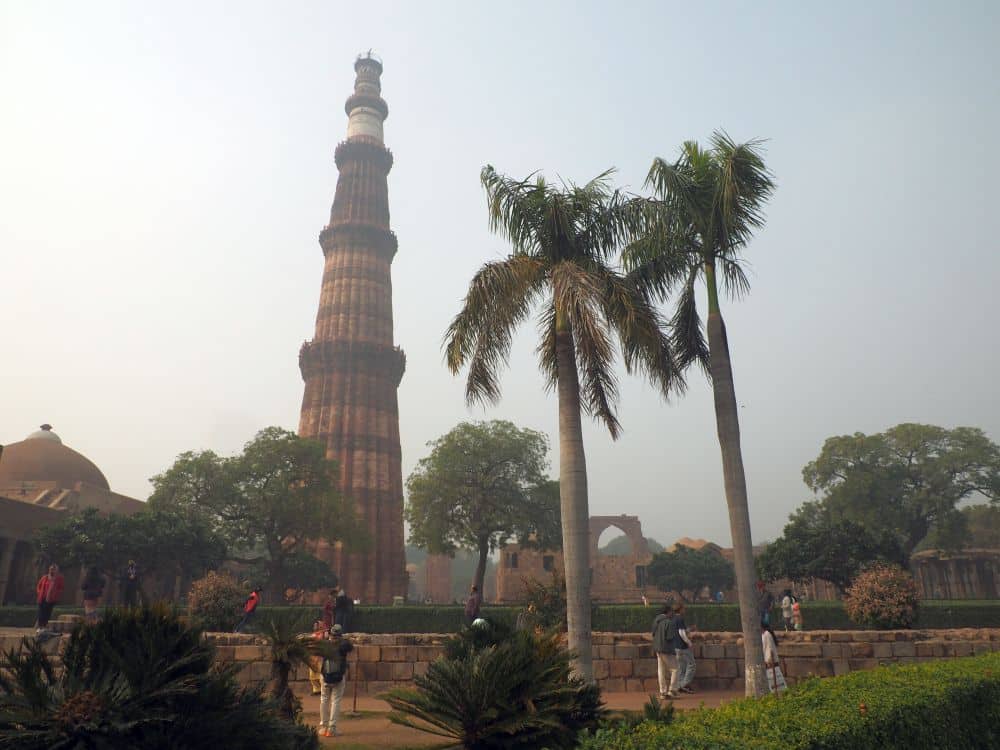
The towerQutb Minar (minaret) is 72.5 meters tall (238 feet) and 14 meters (46 feet) in diameter at its basetapering to about 3 meters (9 feet) at the top. It is the highest stone structure in Indiacreated by Qutbud-Din Aibak of the Mamluk dynastybut during his short reign only the first story was completed. The sultan after himShamsu’d din Iltutmishcompleted the secondthird and fourth stories. Laterin the 14th and 15th centuriesadditional stories and other modifications were added.
Disclosure: This article contains affiliate links. Making a purchase through an affiliate link will mean a small commission for this website. This will not affect your price. Privacy policy.
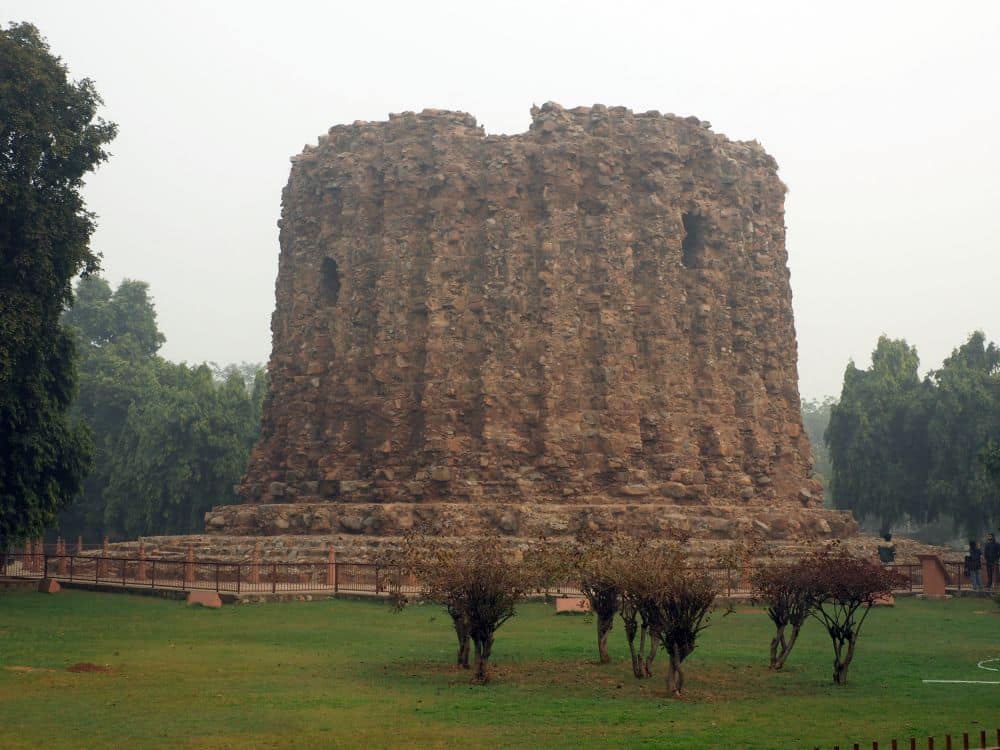
Not to be outdonethe emperor Alluadin Khilijiwho ruled from 1296 to 1316set out to build another minaretcalled Alai Minarwith the plan of making it twice the size of the Qutb Minar. It was never completedbut a massive base 25 meters (82 feet) tall still stands on the site.
The mosque next doorcalled Quwwatu-Islam Masjidis the oldest mosque in northern India. Also begun by Qutbud-Din Aibakit was completed in 1197. For the building materials27 Hindu and Jain temples were destroyed and the blocks reused. Subsequent sultans later enlarged it.
The tomb of Iltutmish (13th century) is also on the site. It is considered significant as the start of the tradition of building royal tombs in India. There are also a number of other tombs nearby.
Why is Qutb Minar and its Monuments a UNESCO World Heritage site?
According to UNESCOthe monuments in this collection “represent an outstanding example of the architectural and artistic achievements of early Islamic India.”
What can you expect on a visit to Qutb Minar and its Monuments?
Despite the fact that much of the site is in ruinsthe workmanship still covering many of the structures’ surfaces is strikingly beautiful. Here are the four most important of the monuments:
Qutb Minar
The biggest attention-grabberof courseis the Qutb Minar itself. In our caseit revealed itself slowly on a very foggy morning. As we arrived we could barely see the topbut by midday it was more or less clearapart from the haze of Delhi’s polluted air.
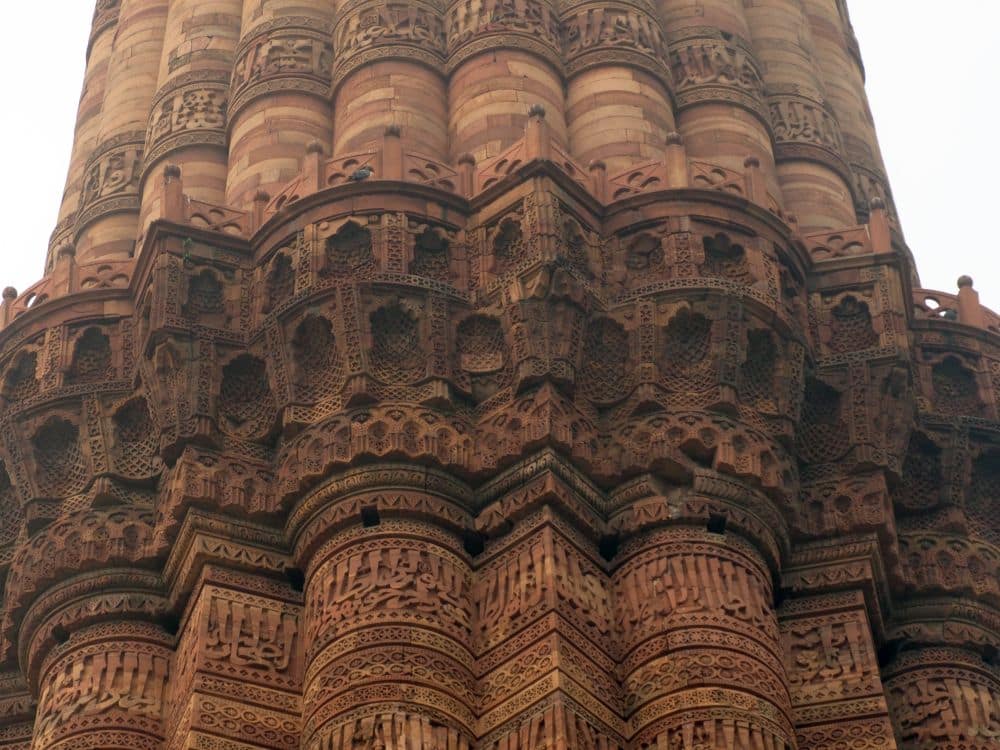
As we neared itit revealed itself as an incredibly ornate design. At the first levelthe fluting around its surface alternates square and round flutes. Above thatthe fluting is all roundedwhile on the third level it is all square. Yet they line up perfectly as the tower narrows. The balconies between levels have beautiful detailed stonework.
While there is a stairway inside the toweroriginally used by the muezzin to sing the call to prayerit is not open to the public.
Quwwatu-Islam Masjid
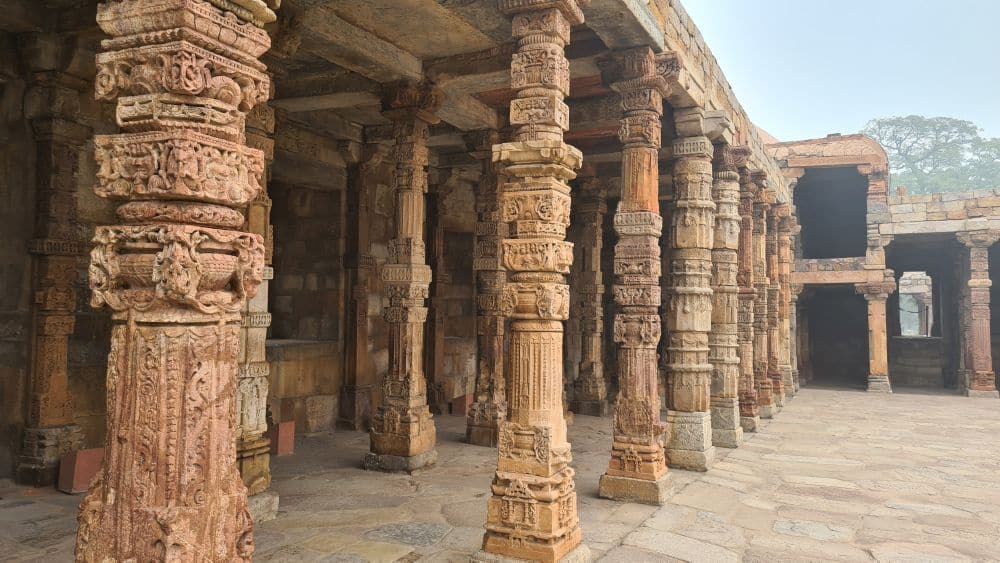
This ruined mosque next to the Qutb Minar still has some stunning elements. For examplethe cloister that circles it has the most unusual pillars I’ve ever seen. Apparently their parts came from the destroyed Hindu and Jain temples.
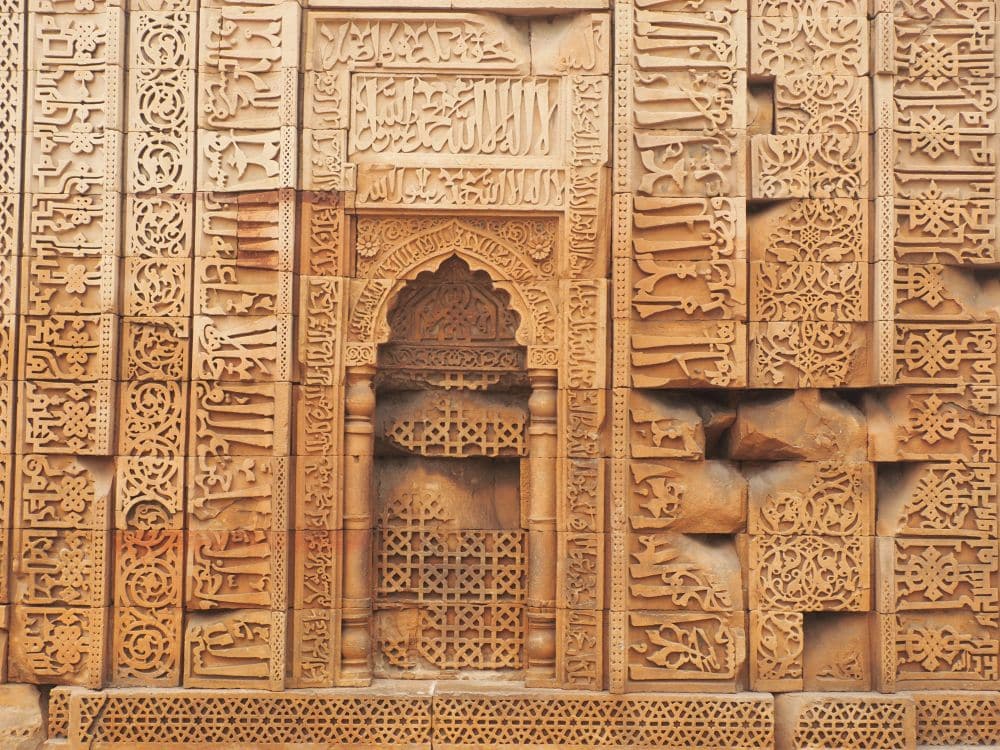
The giant arches or screens at the west side of the mosque (the side facing Mecca) still standeven though the roof does not. These arches are carved with elegant inscriptions and various Islamic motifs in geometric designs.
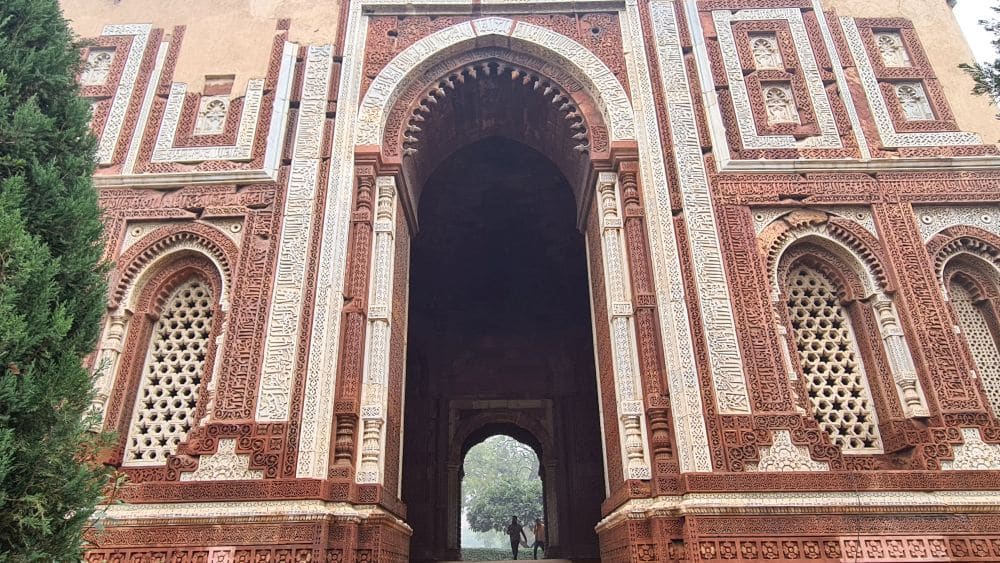
The only remaining gateway to the mosquecalled Alar Darwazadates to 1311so it was added later to the original mosque. It is a squaredomed structure withon the outsidesome gorgeous carvings – againgeometric motifs and inscriptions – in white marble and red sandstone. According to an informational sign at the gatewayit also shows some features from the earlier Saljuq period in the 11th-12th century. The reason this shows up in this later gate is that the artisans fled the Mongols in central Asia and settled in Indiabringing their artistic traditions with them.
The tomb of Iltutmish
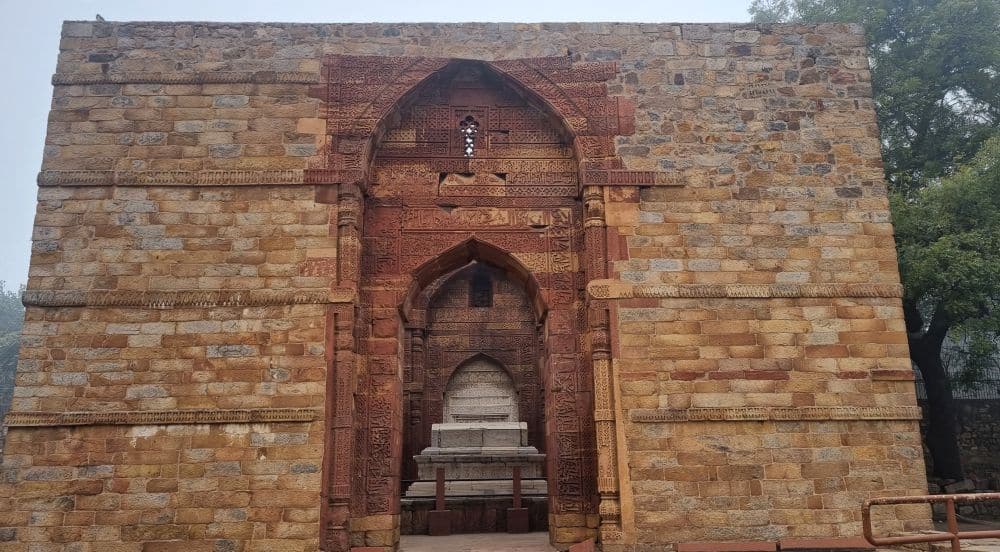
According to the informational sign on the sitethe tomb of Iltutmish is “a landmark in Indo-Islamic architecture.” The tomb itself is in the center of a square room. It originally carried a domed roof but is now open to the sky. The carvings on the inside of this room are particularly ornate andagain according to the informational signthey bear “inscription in Kufi and Naskh characters and geometric and arabesque patterns in Saracenic tradition.”
Alai Minar
It’s worth taking a look at the Alai Minar as well. It was never finishedso it’s nothing more than a cylindrical structure made of large irregular stones. Yetespecially after seeing the Qutb Minar and its sizeyou can imagineas you walk around its basehow big this thing would have been.
There are other smaller structures too: tombs and suchsome signpostedsome not.
Is Qutb Minar worth visiting?
Certainlyif you’re in Delhiit’s worth visiting for the beauty of the early Islamic workmanship and to admire that enormous tower. I wouldn’t make a trip to Delhi just to see thisbut there are two other UNESCO sites in the citythe Red Fort Complex and Humayun’s Tombwhichcombined with the various other sights to seemake at least a short visit to Delhi worthwhile.
Book your accommodations in Delhi here.
What sorts of travelers would like Qutb Minar?
Anyone interested in early Islamic history and architecture in India would find this place interesting. It’s not particularly kid-friendlybut it is a pleasant place for a strollwith its lush trees and very busy bird life.
Tips for visiting Qutb Minar and its Monuments
Pay your entrance fee at the booth across the road from the entranceand you’ll receive a small plastic token. At the entranceswipe the token over the reader and the turnstiles will admit you. Don’t lose the token! You’ll need to deposit it in a slot to exit the site as well. Otherwise you’ll be charged extra for it.
In theory it would be best to visit early in the day or later in the afternoon. Check the weather firstthough. We ended up doing some leisurely strolling around the site just waiting for the sun to burn the fog off.
Keep an eye out for the pretty long-tailed Rose-ringed Parakeets that seem to live among the ruins.
Consider this private tour of Qutb Minar with transferor this one that also includes Humayun’s Tomb.
Where is Qutb Minar?
Qutb Minar is in New DelhiIndia. Be aware that it’s a distance away from the city center. There is a stop on the Delhi metro system not far awayand taking this comfortable new metro is far more pleasant than breathing fumes in a tuk-tuk for half an hourwhich is what we did. Take the yellow line to the Saket station and from thereeither take a 5-minute tuk-tuk ride or walk for about a half hour.
For more information about Qutb Minar and its Monumentsits opening hours and admission feessee the Delhi Tourism website.
Have you been to Qutb Minar? If sodo you have any additional information or advice about this UNESCO World Heritage site? Please add your comments below!