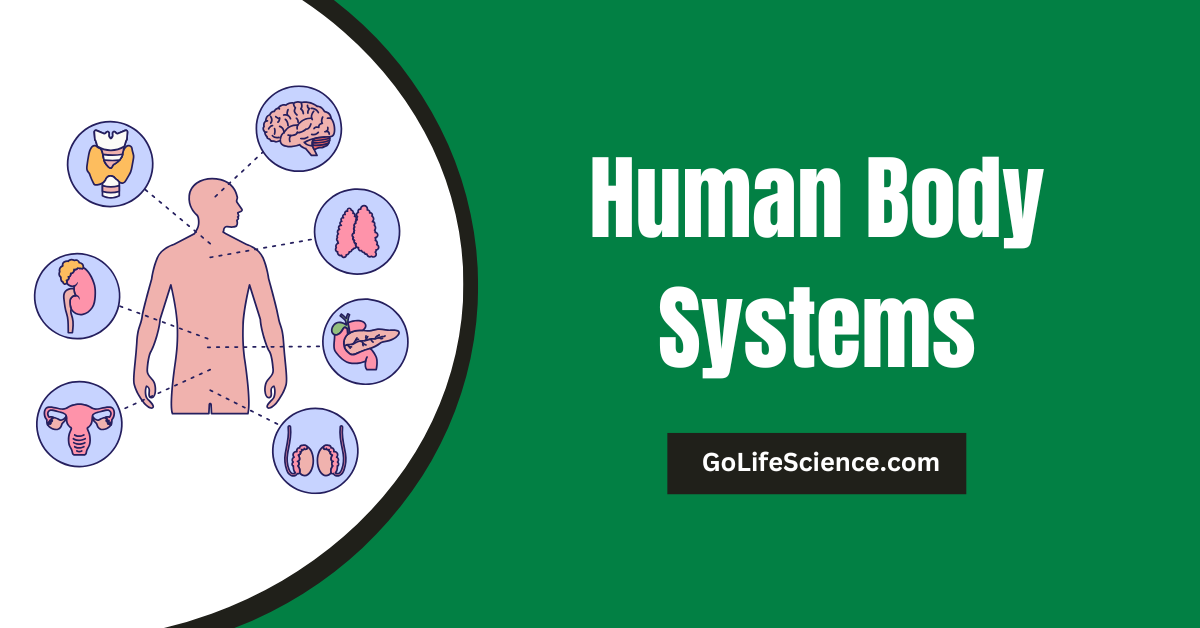
The human body is a intricate and highly organized machine made up of trillions of cellstissues and organs. These components work together through body systemseach designed to do a specific job to keep us alive and healthy. Studentshealthcare professionals and anyone interested in human biology need to understand these systems.
From breathing to digestionfrom movement to reproductioneach system is a work of biological art. In this guide we will explore the 11 major human body systemstheir functionsthe organs involved and how they work together to maintain homeostasis.
1. Circulatory System (Cardiovascular System)
The circulatory system (also known as the cardiovascular system) is the body’s transport network. It moves bloodnutrientsgases and hormones to and from every cell. Without it cells would be starved of oxygen and nutrients and waste products would build up to toxic levels.
Main Functions of the Circulatory System
- Transport of oxygen and nutrients – Supplies cells with oxygen from the lungs and nutrients from the digestive system.
- Removal of waste products – Removes carbon dioxide and other metabolic wastes through the lungs and kidneys.
- Hormone distribution – Transports hormones from endocrine glands to target organs.
- Temperature regulation – Distributes heat generated by muscles and metabolic processes to maintain stable body temperature.
- Immune defense – Carries white blood cells and antibodies to fight infections.
Structure of the Circulatory System
The circulatory system is made up of three major components:
a) Heart
- A muscularfist-sized organ located slightly left of the center of the chest.
- Divided into four chambers:
- Right atrium
- Right ventricle
- Left atrium
- Left ventricle
- Contains valves (tricuspidpulmonarymitralaortic) that ensure one-way blood flow.
b) Blood Vessels
Three main types:
- Arteries – Carry oxygen-rich blood away from the heart (except pulmonary arteries).
- Veins – Carry oxygen-poor blood toward the heart (except pulmonary veins).
- Capillaries – Tiny vessels where exchange of gasesnutrientsand wastes occurs.
c) Blood
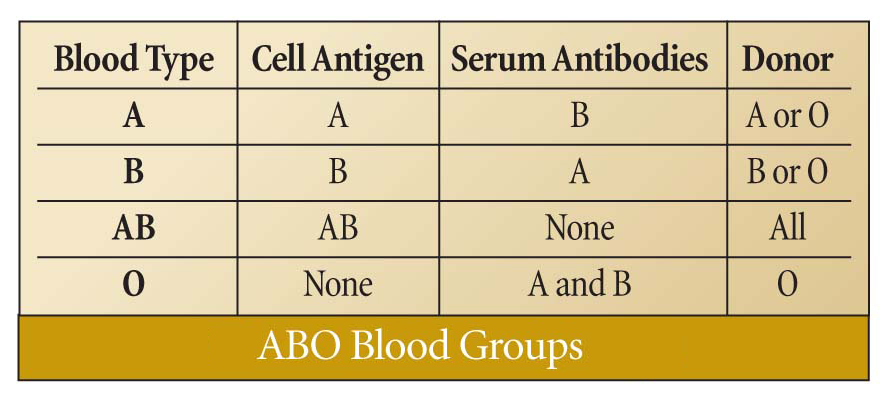
Blood is a specialized fluid that makes up about 8% of body weight. It consists of:
- Plasma (55%) – Mostly watercarries nutrientshormonesand waste.
- Red Blood Cells (RBCs) – Contain hemoglobintransport oxygen.
- White Blood Cells (WBCs) – Defend against infections.
- Platelets – Help in clotting.
Types of Circulation
The circulatory system has three main pathways:
- Systemic Circulation – Delivers oxygenated blood from the left ventricle to the body and returns deoxygenated blood to the right atrium.
- Pulmonary Circulation – Carries blood from the heart to the lungs for oxygenation and returns it back to the heart.
- Coronary Circulation – Supplies oxygen-rich blood to the heart muscle itself.
How the Circulatory System Works
The process can be summarized as:
- Oxygen-poor blood from the body enters the right atrium via the superior and inferior vena cava.
- Blood flows into the right ventriclewhich pumps it to the lungs via the pulmonary artery.
- In the lungscarbon dioxide is exchanged for oxygen.
- Oxygen-rich blood returns to the left atrium via the pulmonary veins.
- Blood flows into the left ventriclethe strongest chamberwhich pumps it out through the aorta to the rest of the body.
Common Disorders of the Circulatory System
- Hypertension (High Blood Pressure) – Increases risk of heart attack and stroke.
- Atherosclerosis – Plaque buildup inside arteries reduces blood flow.
- Coronary Artery Disease – Narrowing of heart arteries.
- Heart Failure – Heart’s inability to pump blood effectively.
- Arrhythmia – Irregular heartbeat.
How to Keep the Circulatory System Healthy
- Eat a heart-healthy diet – Rich in fruitsvegetableswhole grainslean proteinand healthy fats.
- Exercise regularly – At least 150 minutes of moderate activity weekly.
- Avoid smoking – Reduces oxygen supply and damages blood vessels.
- Manage stress – Chronic stress raises blood pressure.
- Stay hydrated – Helps blood flow smoothly.
Fun and Educational Facts
- Your blood travels around your body in about 20 seconds at rest.
- The heart beats about 2.5 billion times during an average lifetime.
- If laid end-to-endyour blood vessels could wrap around Earth more than twice.
Frequently Asked Questions (FAQs) on Circulatory Systems
What is the circulatory system?
The circulatory systemalso known as the cardiovascular systemis a network of the heartbloodand blood vessels that transports oxygennutrientshormonesand waste products throughout the body.
What are the main components of the circulatory system?
The circulatory system has three main components: Heart – pumps bloodBlood – carries oxygen and nutrientsBlood vessels – arteriesveinsand capillaries that transport blood.
How does the heart function in the circulatory system?
The heart acts as a muscular pump that pushes blood through two main circuits: the pulmonary circulation (to the lungs) and the systemic circulation (to the rest of the body).
What is the difference between arteries and veins?
a. Arteries carry oxygen-rich blood away from the heart (except pulmonary arteries).
b. Veins carry oxygen-poor blood back to the heart (except pulmonary veins).
Why is the circulatory system important?
It ensures that every cell receives oxygen and nutrients while removing carbon dioxide and other waste productshelping maintain homeostasis and overall body health.
What is pulmonary circulation?
Pulmonary circulation is the movement of blood from the heart to the lungs and backwhere blood releases carbon dioxide and picks up fresh oxygen.
What is systemic circulation?
Systemic circulation is the flow of oxygenated blood from the heart to the entire body and the return of deoxygenated blood back to the heart.
How does the circulatory system work with other systems?
It works closely with the respiratory system for gas exchangethe digestive system for nutrient absorptionand the excretory system for waste removal.
What are common circulatory system diseases?
Common diseases include hypertension (high blood pressure)atherosclerosisheart attackstrokeand heart failure.
How can you keep the circulatory system healthy?
Maintaining a healthy circulatory system involves regular exercisea balanced diet low in saturated fatsavoiding smokingmanaging stressand having regular health checkups.
2. Respiratory System
The respiratory system is the body’s breathing networkresponsible for supplying oxygen to the bloodstream and removing carbon dioxide from the body. It works closely with the circulatory system to ensure that every cell gets the oxygen it needs to produce energy.
Main Functions of the Respiratory System
- Gas exchange – Delivers oxygen to the blood and removes carbon dioxide.
- Regulation of blood pH – Controls the balance of acids and bases through carbon dioxide levels.
- Speech production – Enables vocalization via the larynx.
- Olfaction (smell) – Detects odors via sensory cells in the nasal cavity.
- Protection – Filters dustpathogensand pollutants from inhaled air.
Structure of the Respiratory System
The respiratory system can be divided into upper and lower respiratory tracts.
a) Upper Respiratory Tract
- Nose and Nasal Cavity – Main entry point for air; warmsmoistensand filters it.
- Pharynx (Throat) – Connects nasal cavity and mouth to the larynx.
- Larynx (Voice Box) – Produces sound and protects the trachea from food entry.
b) Lower Respiratory Tract
- Trachea (Windpipe) – Main airway leading to the lungs.
- Bronchi – Two large tubes branching from the trachea into each lung.
- Bronchioles – Smaller branches of bronchi leading to alveoli.
- Alveoli – Tiny air sacs where gas exchange occurs.
- Lungs – Two spongy organs protected by the rib cage and surrounded by the pleura membrane.
How the Respiratory System Works
The breathing process occurs in two main phases:
1. Inhalation (Inspiration)
- The diaphragm contracts and moves downward.
- The rib cage expandsincreasing the volume of the chest cavity.
- Air flows into the lungs due to the pressure difference.
2. Exhalation (Expiration)
- The diaphragm relaxes and moves upward.
- The chest cavity volume decreasespushing air out of the lungs.
This process repeats about 12–20 times per minute in a healthy adult.
Gas Exchange Process
- Oxygen-rich air reaches the alveoli.
- Oxygen diffuses through the alveolar walls into the surrounding capillaries.
- Hemoglobin in red blood cells binds to oxygen for transport.
- Carbon dioxide diffuses from the blood into the alveoli to be exhaled.
Types of Breathing
- Diaphragmatic Breathing – Deep breathing using the diaphragm (more efficient).
- Thoracic Breathing – Shallow breathing using chest muscles.
- Cellular Respiration – The process by which cells use oxygen to produce energy.
Common Disorders of the Respiratory System
- Asthma – Narrowing of airways causing difficulty breathing.
- Chronic Obstructive Pulmonary Disease (COPD) – Includes emphysema and chronic bronchitis.
- Pneumonia – Infection that inflames air sacs in the lungs.
- Tuberculosis (TB) – Bacterial infection affecting the lungs.
- Lung Cancer – Abnormal cell growth in lung tissue.
How to Keep the Respiratory System Healthy
- Avoid smoking – The leading cause of lung diseases.
- Exercise regularly – Improves lung capacity and efficiency.
- Maintain good air quality – Avoid exposure to pollutants and allergens.
- Practice breathing exercises – Enhances lung function.
- Get vaccinations – Prevent infections like flu and pneumonia.
Fun and Educational Facts
- The lungs contain over 300 million alveoli for gas exchange.
- If spread flatthe alveoli’s surface area would cover a tennis court.
- The right lung has three lobeswhile the left lung has two lobes to make space for the heart.
- You inhale about 11,000 liters of air every day.
Frequently Asked Questions (FAQs) on Respiratary Systems
What is the primary function of the respiratory system?
The primary function of the respiratory system is to facilitate the exchange of gases—oxygen and carbon dioxide—between the external environment and the blood. Oxygen is inhaled into the lungs and diffuses into the bloodstreamwhile carbon dioxidea waste product of metabolismdiffuses from the blood into the lungs for exhalation.
What are the main organs of the human respiratory system?
The main organs of the respiratory system include the nasal cavitypharynxlarynxtracheabronchibronchiolesand lungs. The alveoli inside the lungs are the actual sites of gas exchange.
What is the role of the diaphragm in respiration?
The diaphragm is a dome-shaped muscle located below the lungs. During inhalationit contracts and flattensincreasing the thoracic cavity’s volumewhich reduces air pressure and allows air to enter the lungs. During exhalationit relaxesreducing the thoracic cavity’s volume and forcing air out.
What is external respiration?
External respiration refers to the exchange of gases between the alveoli of the lungs and the surrounding pulmonary capillaries. Oxygen diffuses into the bloodand carbon dioxide diffuses into the alveolar air to be expelled.
What is internal respiration?
Internal respiration is the exchange of gases between the blood in systemic capillaries and the body’s tissues. Oxygen diffuses from the blood into the cellswhile carbon dioxide moves from the cells into the blood.
How does oxygen travel in the blood?
Oxygen primarily travels bound to hemoglobin in red blood cellsforming oxyhemoglobin. A small fraction of oxygen is dissolved directly in the plasma.
How is carbon dioxide transported in the blood?
Carbon dioxide is transported in three forms: dissolved in plasmabound to hemoglobin as carbaminohemoglobinand primarily as bicarbonate ions formed via a reaction catalyzed by the enzyme carbonic anhydrase.
What is tidal volume?
Tidal volume is the amount of air inhaled or exhaled during a normal breath. In adultsit averages about 500 milliliters.
What are alveoli and why are they important?
Alveoli are tiny air sacs in the lungs where gas exchange occurs. Their large surface area and thin walls allow efficient diffusion of oxygen into the blood and carbon dioxide out of the blood.
What is asthma?
Asthma is a chronic inflammatory condition of the airways characterized by recurrent episodes of wheezingshortness of breathchest tightnessand coughing due to airway narrowing and mucus production.
3. Digestive System
The digestive system is the body’s food-processing unit. It breaks down the food we eat into nutrients that the body can absorb and use for energygrowthand repair. It works in close coordination with the circulatory system (to transport nutrients) and the nervous system (to control the process).
Main Functions of the Digestive System
- Ingestion – Taking in food and drinks.
- Digestion – Breaking down food mechanically (chewing) and chemically (enzymes and acids).
- Absorption – Nutrients move from the digestive tract into the bloodstream.
- Assimilation – Cells use absorbed nutrients for energygrowthand repair.
- Excretion – Eliminating indigestible substances and waste.
Structure of the Digestive System
The digestive system consists of the alimentary canal (a continuous tube) and accessory organs.
a) Alimentary Canal (Digestive Tract)
- Mouth – Mechanical digestion via chewing; chemical digestion begins with saliva.
- Pharynx – Passageway for food and air.
- Esophagus – Muscular tube moving food to the stomach via peristalsis.
- Stomach – Stores foodsecretes acid and enzymeschurns to form chyme.
- Small Intestine – Major site of nutrient absorption; divided into duodenumjejunumand ileum.
- Large Intestine (Colon) – Absorbs waterforms and stores feces.
- Rectum and Anus – Control elimination of waste.
b) Accessory Organs
- Salivary Glands – Produce saliva with amylase enzyme for starch digestion.
- Liver – Produces bile to break down fats.
- Gallbladder – Stores and releases bile.
- Pancreas – Produces digestive enzymes and bicarbonate to neutralize stomach acid.
How the Digestive System Works
The process occurs in five main stages:
- Ingestion: Food enters through the mouth.
- Propulsion: Swallowing and peristaltic movements push food through the tract.
- Mechanical and Chemical Digestion
- Chewing breaks food into smaller pieces.
- Enzymes and stomach acid chemically break down carbohydratesproteinsand fats.
- Absorption: Nutrients pass through intestinal walls into the bloodstream or lymph.
- Defecation: Indigestible materials and waste products are eliminated.
Digestive Enzymes and Their Functions
| Enzyme | Source | Function |
|---|---|---|
| Amylase | Salivary glandspancreas | Breaks down starch into sugars |
| Pepsin | Stomach | Breaks down proteins into peptides |
| Lipase | Pancreas | Breaks down fats into fatty acids and glycerol |
| Lactase | Small intestine | Breaks down lactose into glucose and galactose |
| Maltase | Small intestine | Breaks down maltose into glucose |
Nutrient Absorption
- Carbohydrates → absorbed as glucose into the bloodstream.
- Proteins → absorbed as amino acids.
- Fats → absorbed as fatty acids and glycerol into the lymph before entering the blood.
- Vitamins & Minerals → absorbed in specific sections of the intestine.
Common Disorders of the Digestive System
- Gastroesophageal Reflux Disease (GERD): Acid reflux from the stomach into the esophagus.
- Peptic Ulcers: Sores in the stomach lining.
- Irritable Bowel Syndrome (IBS): Disruption of normal bowel function.
- Gallstones: Hardened deposits in the gallbladder.
- Celiac Disease: Immune reaction to gluten.
How to Keep the Digestive System Healthy
- Eat a high-fiber diet: Supports bowel movements and prevents constipation.
- Stay hydrated: Water aids digestion and nutrient absorption.
- Eat probiotics: Yogurtkefirand fermented foods improve gut health.
- Avoid overeating: Reduces strain on the digestive tract.
- Limit fattyprocessed foods: Prevents indigestion and gallbladder issues.
Fun and Educational Facts
- The small intestine is about 20 feet (6 meters) long.
- The stomach produces 2–3 liters of gastric juice daily.
- It takes about 24–72 hours for food to pass completely through the digestive system.
- The liver is the body’s largest internal organweighing about 1.5 kg.
Frequently Asked Questions on Digestive System
What is the primary function of the digestive system?
The primary function of the digestive system is the mechanical and chemical breakdown of food into absorbable nutrientsfollowed by absorption into the bloodstream and elimination of undigested waste. This process ensures the body receives carbohydratesproteinsfatsvitaminsmineralsand water for metabolic activities.
What organs form the alimentary canal?
The alimentary canal includes the mouthpharynxesophagusstomachsmall intestinelarge intestinerectumand anus. These organs are directly involved in the ingestiondigestionabsorptionand excretion of food material.
What are accessory organs of digestion?
Accessory organs include the salivary glandslivergallbladderand pancreas. They assist the digestive process by producing enzymesbileand other secretionsbut food does not pass directly through them.
What is peristalsis and its role in digestion?
Peristalsis is the rhythmicwave-like contraction of smooth muscles in the walls of the digestive tractpropelling food from the esophagus to the stomach and through the intestinesaiding in mechanical digestion and movement of chyme.
What is the function of bile in digestion?
Bileproduced by the liver and stored in the gallbladderemulsifies fats into smaller dropletsincreasing their surface area for the action of lipase enzymesthus enhancing fat digestion.
Where does most nutrient absorption occur?
Most nutrient absorption occurs in the small intestinespecifically in the jejunum and ileumwhere villi and microvilli increase the absorptive surface area.
What is the role of the stomach in digestion?
The stomach stores ingested foodmixes it with gastric juice containing hydrochloric acid and pepsininitiates protein digestionand regulates the passage of chyme into the small intestine.
What enzymes are secreted by the pancreas?
The pancreas secretes amylase (for carbohydrate digestion)lipase (for fat digestion)and proteases such as trypsin and chymotrypsin (for protein digestion) into the small intestine.
What is the significance of the large intestine?
The large intestine absorbs waterelectrolytesand some vitaminscompacts undigested food into fecesand houses beneficial gut microbiota that assist in fermentation and vitamin synthesis.
How does the digestive system contribute to homeostasis?
By breaking down food into essential nutrients and regulating their absorptionthe digestive system maintains energy supplynutrient balanceand metabolic stability in the body.
4. Nervous System
The nervous system is the body’s control and communication network. It receives information from the sensesprocesses itand sends commands to muscles and glands. It works closely with every other body system to coordinate activities and maintain homeostasis.
Main Functions of the Nervous System
- Sensory Input – Receives signals from sensory organs (eyesearsskinetc.).
- Integration – Processes and interprets sensory information.
- Motor Output – Sends instructions to muscles and glands to respond.
- Homeostasis Regulation – Maintains balance in body functions (e.g.temperatureblood pressure).
- Mental Activities – Thinkingmemoryemotionsand decision-making.
Structure of the Nervous System
The nervous system has two major divisions:
a) Central Nervous System (CNS)
- Brain – The control centerresponsible for processing and decision-making.
- Cerebrum – Controls thinkinglearningand voluntary movements.
- Cerebellum – Maintains balance and coordination.
- Brainstem – Controls involuntary functions like breathing and heart rate.
- Spinal Cord – Relays messages between the brain and body; also controls reflexes.
b) Peripheral Nervous System (PNS)
- Cranial Nerves – Connect the brain to head and neck regions.
- Spinal Nerves – Connect the spinal cord to the rest of the body.
- Subdivided into:
- Somatic Nervous System (SNS) – Controls voluntary movements.
- Autonomic Nervous System (ANS) – Controls involuntary functions (heartbeatdigestion).
- Sympathetic Division – Prepares body for “fight or flight”.
- Parasympathetic Division – Promotes “rest and digest”.
How the Nervous System Works
The nervous system communicates using electrical impulses and chemical signals.
Signal Transmission Process:
- Stimulus Detection – Sensory receptors detect changes (heatlightsoundpressure).
- Impulse Transmission – Electrical signals travel along neurons via axons.
- Synaptic Communication – Neurotransmitters carry messages across synapses between neurons.
- Processing – The CNS interprets signals.
- Response – Motor neurons send instructions to muscles or glands.
Neurons and Their Structure
A neuron is the basic unit of the nervous system.
Main parts:
- Cell Body (Soma) – Contains the nucleus.
- Dendrites – Receive incoming signals.
- Axon – Sends outgoing signals.
- Myelin Sheath – Speeds up signal transmission.
Reflex Action
A reflex is an automaticrapid response to a stimuluscontrolled by the spinal cord without brain involvement.
Example: Pulling your hand away from a hot object.
Common Disorders of the Nervous System
- Stroke – Disruption of blood supply to the brain.
- Parkinson’s Disease – Degeneration of nerve cells affecting movement.
- Alzheimer’s Disease – Progressive memory loss and cognitive decline.
- Epilepsy – Seizure disorder caused by abnormal brain activity.
- Multiple Sclerosis (MS) – Immune attack on myelin sheath of neurons.
How to Keep the Nervous System Healthy
- Eat brain-boosting foods – Fishnutsleafy greens.
- Stay mentally active – Readingpuzzleslearning new skills.
- Exercise regularly – Improves blood flow to the brain.
- Get enough sleep – Supports memory consolidation.
- Avoid excessive alcohol and drugs – Prevents nerve damage.
Fun and Educational Facts
- The human brain contains about 86 billion neurons.
- Nerve impulses travel at speeds up to 120 meters per second.
- Your brain uses about 20% of your body’s oxygen supply.
- The spinal cord is about 45 cm long in adults.
Frequently Asked Questions (FAQs) on Nervous System
What is the primary function of the nervous system?
The primary function of the nervous system is to receiveprocessand transmit information throughout the body. It controls voluntary and involuntary actionscoordinates bodily functionsand enables sensory perceptionthought processesand memory.
What are the main divisions of the nervous system?
The nervous system is divided into two main parts: the Central Nervous System (CNS)consisting of the brain and spinal cordand the Peripheral Nervous System (PNS)which includes cranial nervesspinal nervesand peripheral nerves connecting the CNS to the rest of the body.
What is the difference between the central and peripheral nervous systems?
The CNS acts as the control centerprocessing and interpreting informationwhile the PNS serves as the communication network that carries signals between the CNS and other parts of the bodyincluding muscles and glands.
What are neurons and their major parts?
Neurons are specialized cells that transmit nerve impulses. Their major parts include the cell body (soma)dendrites (receive signals)and axon (transmits signals to other cells). The axon may be covered by a myelin sheath to speed up signal transmission.
What is the role of the myelin sheath?
The myelin sheath is a fatty layer that insulates the axon of a neuron. It increases the speed of nerve impulse conduction and ensures efficient communication between neurons.
How does the nervous system transmit messages?
The nervous system transmits messages through electrical impulses within neurons and chemical signals (neurotransmitters) across synapses. This process allows rapid and precise communication throughout the body.
What diseases affect the nervous system?
Common nervous system disorders include Parkinson’s diseaseAlzheimer’s diseasemultiple sclerosisepilepsyand stroke. These conditions may affect movementmemoryor coordinationand can result from injuryinfectiongenetic factorsor degeneration.
5. Endocrine System
The endocrine system is the body’s hormone control network. It uses chemical messengers called hormones to regulate growthmetabolismreproductionand many other essential functions. Unlike the nervous systemwhich works with fast electrical signalsthe endocrine system works more slowly but has longer-lasting effects.
Main Functions of the Endocrine System
- Regulates Growth and Development – Controls heightbone growthand puberty changes.
- Maintains Metabolism – Regulates how the body uses energy.
- Controls Reproduction – Manages sexual development and fertility.
- Maintains Homeostasis – Balances internal conditions like blood sugar and water levels.
- Helps Body Respond to Stress – Increases alertness and energy during emergencies.
Structure of the Endocrine System
The endocrine system is made up of glands that produce and release hormones directly into the bloodstream.
Major Endocrine Glands and Their Hormones
| Gland | Hormone(s) | Main Functions |
|---|---|---|
| Pituitary Gland (Master Gland) | Growth Hormone (GH)Thyroid-Stimulating Hormone (TSH)Adrenocorticotropic Hormone (ACTH) | Controls other glandsgrowthmetabolism |
| Thyroid Gland | Thyroxine (T4)Triiodothyronine (T3) | Regulates metabolismgrowthand energy use |
| Parathyroid Glands | Parathyroid Hormone (PTH) | Controls calcium levels in blood |
| Adrenal Glands | Adrenaline (epinephrine)Cortisol | Manages stressmetabolismblood pressure |
| Pancreas | InsulinGlucagon | Regulates blood sugar levels |
| Pineal Gland | Melatonin | Regulates sleep cycles |
| Ovaries (in females) | EstrogenProgesterone | Regulates menstrual cyclereproduction |
| Testes (in males) | Testosterone | Controls sperm productionmale characteristics |
How the Endocrine System Works
The endocrine system operates on a feedback loop to maintain balance.
- Stimulus – A change in the body (e.g.low blood sugar).
- Hormone Release – The appropriate gland releases hormones into the bloodstream.
- Target Cells Response – Hormones bind to receptors on specific cells and trigger actions.
- Feedback Signal – Once balance is restoredhormone release decreases.
Example:
If blood sugar is high → pancreas releases insulin → cells absorb glucose → blood sugar returns to normal.
Interaction with Other Body Systems
- Nervous System – Works together in the neuroendocrine system to control rapid and long-term functions.
- Circulatory System – Delivers hormones to target cells.
- Reproductive System – Hormones regulate pubertyfertilityand pregnancy.
Common Disorders of the Endocrine System
- Diabetes Mellitus – Pancreas doesn’t produce enough insulin or body resists it.
- Hyperthyroidism – Overactive thyroid produces excess hormones.
- Hypothyroidism – Underactive thyroid leads to fatigueweight gain.
- Cushing’s Syndrome – Excess cortisol production.
- Addison’s Disease – Low production of adrenal hormones.
- Polycystic Ovary Syndrome (PCOS) – Hormonal imbalance affecting ovaries.
How to Keep the Endocrine System Healthy
- Eat a nutrient-rich diet – Include iodine (for thyroid)healthy fatsand whole foods.
- Manage stress – Chronic stress disrupts hormone balance.
- Get regular exercise – Supports metabolism and hormonal health.
- Sleep well – Regulates melatonin and other hormone cycles.
- Avoid excessive sugar and processed foods – Prevents insulin resistance.
Fun and Educational Facts
- The pituitary gland is only the size of a pea but controls most other glands.
- Hormones can affect your moodenergy levelsand even the way you think.
- The adrenal glands sit like “hats” on top of your kidneys.
- Melatonin levels rise in the evening to make you feel sleepy.
Frequently Asked Questions (FAQs) on Endocrine System
What is the endocrine system?
The endocrine system is a network of glands that produce and release hormones directly into the bloodstream to regulate body functions such as growthmetabolismreproductionand homeostasis.
How does the endocrine system differ from the nervous system?
The endocrine system uses chemical messengers (hormones) for slower but long-lasting responseswhile the nervous system uses electrical impulses for rapid but short-term responses.
What are the major glands of the endocrine system?
Major glands include the hypothalamuspituitary glandthyroid glandparathyroid glandsadrenal glandspancreaspineal glandand gonads (testes in malesovaries in females).
What is the role of the hypothalamus in the endocrine system?
The hypothalamus links the nervous system to the endocrine system by controlling the pituitary gland and regulating hormone production for processes like temperature controlhungerand sleep cycles.
Why is the pituitary gland called the “master gland”?
The pituitary gland regulates the activity of most other endocrine glands by secreting hormones like growth hormone (GH)thyroid-stimulating hormone (TSH)and adrenocorticotropic hormone (ACTH).
How does the pancreas function in both endocrine and digestive systems?
The pancreas acts as an endocrine gland by secreting insulin and glucagon to control blood sugar levelsand as a digestive organ by producing enzymes for food breakdown.
What is the role of the adrenal glands?
The adrenal glands produce hormones like adrenaline (epinephrine)cortisoland aldosteronewhich help regulate stress responsesmetabolismblood pressureand water balance.
What are the effects of thyroid hormones on the body?
Thyroid hormones (thyroxine T4 and triiodothyronine T3) regulate metabolismbody temperatureand energy productionand are essential for growth and brain development.
How do hormones maintain homeostasis?
Hormones regulate key body functions such as glucose levelswater balanceand body temperature by providing feedback signals that maintain a stable internal environment.
What happens when endocrine glands secrete too much or too little hormone?
Overproduction leads to hyperfunction disorders (e.g.hyperthyroidism)while underproduction causes hypofunction disorders (e.g.hypothyroidismdiabetes mellitus). Both conditions disrupt normal body processes.
6. Muscular System
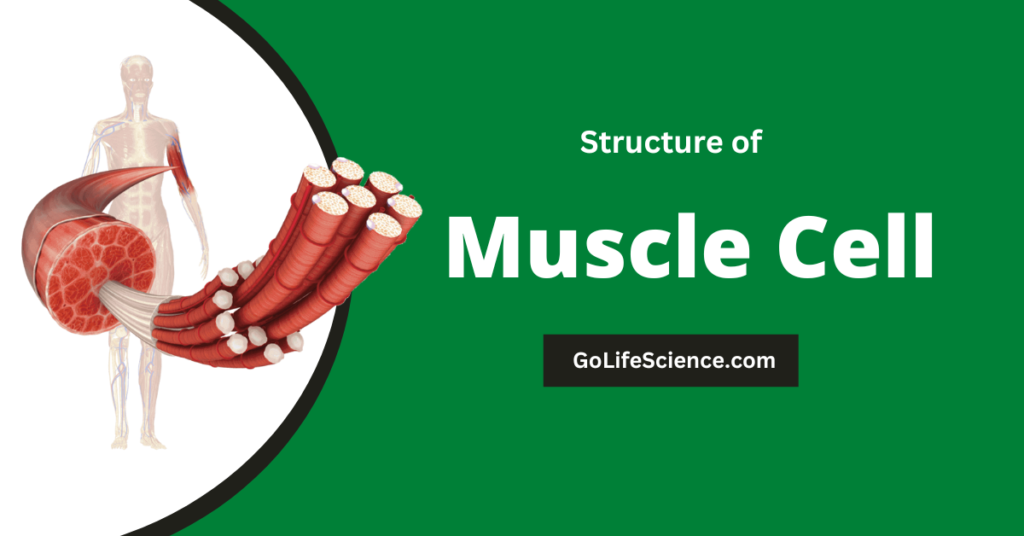
The musculoskeletal system is the body’s framework and movement machinery. It combines bonesmusclescartilageligamentstendonsand joints to provide structureprotect organsand enable movement.
Functions of the Musculoskeletal System
- Support – Provides the framework for the body’s shape.
- Movement – Works with muscles to allow walkingrunningliftingand other motions.
- Protection – Shields vital organs (e.g.skull protects brainrib cage protects heart and lungs).
- Mineral Storage – Bones store calcium and phosphorus.
- Blood Cell Production – Bone marrow makes red and white blood cells.
- Posture Maintenance – Keeps the body upright and balanced.
Structure of the Musculoskeletal System
a) Skeletal System
- Bones – About 206 bones in an adult human; provide structure and support.
- Cartilage – Flexible connective tissue that cushions joints.
- Ligaments – Tough bands connecting bones to bones.
- Joints – Points where two or more bones meet; allow movement.
b) Muscular System
- Skeletal Muscles – Voluntary muscles attached to bones for movement.
- Smooth Muscles – Involuntary muscles in organs (stomachintestines).
- Cardiac Muscle – Involuntary muscle in the heart.
Types of Joints
| Joint Type | Example | Movement |
|---|---|---|
| Ball-and-Socket | ShoulderHip | Wide range of motion in all directions |
| Hinge | ElbowKnee | Flexion and extension |
| Pivot | Neck (between atlas and axis vertebrae) | Rotation |
| Gliding | WristAnkle | Sliding movements |
| Saddle | Thumb | Forwardbackwardand side-to-side |
| Condyloid | Knuckles | Bending and circular movement |
How the Musculoskeletal System Works
Movement happens through muscle contraction and joint action:
- The brain sends signals via the nervous system.
- Muscles contract and pull on tendons.
- Tendons pull on bonesmoving joints.
- Opposing muscle groups (e.g.biceps and triceps) coordinate to control movement.
Common Disorders of the Musculoskeletal System
- Osteoporosis – Weakbrittle bones due to calcium loss.
- Arthritis – Joint inflammation causing pain and stiffness.
- Fractures – Broken bones from injury.
- Muscular Dystrophy – Weakening of muscles over time.
- Tendonitis – Inflammation of tendons from overuse.
- Scoliosis – Abnormal curvature of the spine.
How to Keep the Musculoskeletal System Healthy
- Eat calcium-rich foods – Milkcheeseleafy greens.
- Get vitamin D – Supports calcium absorption.
- Exercise regularly – Weight-bearing activities strengthen bones and muscles.
- Maintain good posture – Prevents strain on spine and joints.
- Avoid smoking and excessive alcohol – Reduces risk of bone loss.
- Warm up before exercise – Prevents muscle and joint injuries.
Fun and Educational Facts
- The femur (thigh bone) is the longest and strongest bone in the body.
- The smallest bonethe stapesis in the ear and is about the size of a grain of rice.
- Muscles make up about 40% of your body weight.
- Your body has over 600 muscles.
- Without cartilageyour bones would grind painfully against each other.
Frequently Asked Questions (FAQs) on Muscular and Skeletal System
What are the three types of muscles in the human body?
The three types of muscles are skeletal muscles (voluntary and striatedattached to bones for movement)cardiac muscles (involuntarystriatedfound only in the heart)and smooth muscles (involuntarynon-striatedfound in the walls of internal organs like the stomach and intestines).
What is the primary function of skeletal muscles?
Skeletal muscles enable voluntary body movements by contracting and relaxing. They also maintain posturestabilize jointsand generate heat during activity.
What is muscle fatigueand what causes it?
Muscle fatigue is the decline in the muscle’s ability to generate force. It is often caused by the accumulation of lactic aciddepletion of energy reservesor impaired nerve signals during prolonged activity.
What is the role of tendons in the muscular system?
Tendons are strongfibrous connective tissues that attach muscles to bones. They transmit the force generated by muscle contraction to the skeletonenabling movement.
How does aerobic exercise benefit the muscular system?
Aerobic exercise improves muscle enduranceenhances oxygen supply to muscle fibersincreases mitochondrial densityand reduces fatigue over time.
7. Urinary System
The urinary systemalso known as the renal systemis responsible for removing waste products from the bloodregulating fluid and electrolyte balanceand maintaining acid–base homeostasis. It plays a crucial role in filtering the blood and excreting urine as the primary waste product.
Functions of Urinary System
- Excretion of waste products: Removes ureacreatinineand other nitrogenous wastes.
- Regulation of blood volume and pressure: Controls water levels in the body and influences blood pressure.
- Electrolyte balance: Maintains optimal concentrations of sodiumpotassiumchlorideand other ions.
- Acid–base regulation: Keeps blood pH within a narrow range.
- Hormone production: Produces erythropoietin for red blood cell formation and renin for blood pressure regulation.
Main Organs and Structures
- Kidneys
- Bean-shaped organs located on either side of the spinejust below the rib cage.
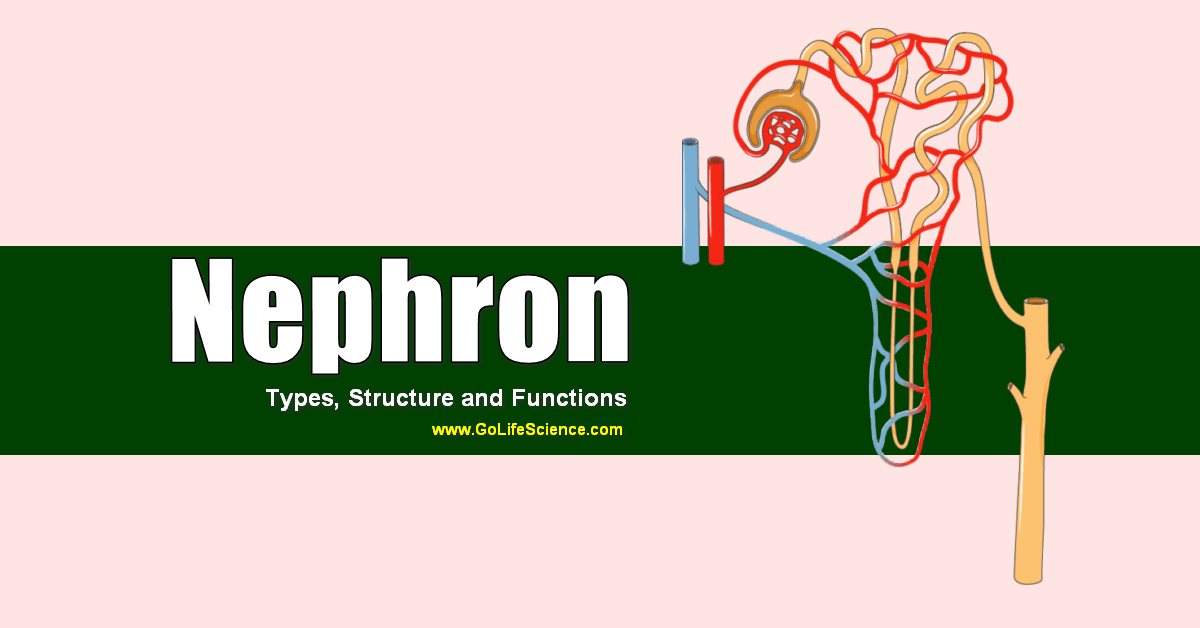
- Contain millions of nephronsthe microscopic filtering units.
- Ureters
- Muscular tubes that transport urine from the kidneys to the bladder.
- Urinary bladder
- Hollowmuscular organ that stores urine until excretion.
- Urethra
- Tube that carries urine from the bladder to the outside of the body.
The Process of Urine Formation
Urine formation occurs in three main steps within the nephron:
- Filtration – Blood is filtered in the glomerulusseparating water and solutes from blood cells and large proteins.
- Reabsorption – Useful substances such as glucoseamino acidsand certain ions are reabsorbed into the bloodstream.
- Secretion – Additional waste products and excess ions are actively transported into the tubular fluid to be excreted.
Interaction with Other Systems
- Works with the circulatory system to filter blood and regulate blood pressure.
- Interacts with the endocrine system via hormones such as aldosterone and antidiuretic hormone (ADH).
- Supports the digestive system by removing excess minerals and by-products from metabolism.
Common Disorders
- Urinary tract infection (UTI): Infection in the bladderurethraor kidneys.
- Kidney stones: Hard deposits formed from minerals and salts.
- Chronic kidney disease (CKD): Progressive loss of kidney function.
- Acute kidney injury (AKI): Sudden decline in kidney performance.
- Incontinence: Loss of bladder control.
Maintaining Urinary System Health
- Drink adequate water daily.
- Maintain a balanced diet low in excessive salt.
- Avoid prolonged holding of urine.
- Seek prompt treatment for urinary tract infections.
- Regular health check-upsespecially for individuals with diabetes or high blood pressure.
Frequently Asked Questions (FAQs) on Urinary System
What is the urinary system and its main function?
The urinary system is a group of organs responsible for filtering bloodremoving waste productsand maintaining fluid and electrolyte balance in the body. Its main function is to producestoreand eliminate urine while regulating blood pH and blood pressure.
Which organs make up the urinary system?
The urinary system consists of two kidneystwo uretersthe urinary bladderand the urethra. These work together to filter bloodtransport urinestore it temporarilyand expel it from the body.
What is the role of the urinary system in homeostasis?
The urinary system maintains homeostasis by regulating water balanceelectrolyte levelspH of bloodand removing nitrogenous waste such as ureacreatinineand uric acid.
How is the urinary system connected to the circulatory system?
The urinary system is closely linked to the circulatory system because the kidneys receive blood through the renal arteriesfilter itand return clean blood to circulation via renal veins.
What is the difference between excretion and urination?
Excretion is the overall process of removing metabolic waste from the bodywhile urination (micturition) is the specific act of releasing urine from the bladder through the urethra.
Where are the kidneys located?
The kidneys are bean-shaped organs located in the retroperitoneal space on either side of the vertebral columnbetween the T12 and L3 vertebrae.
What is the functional unit of the kidney?
The nephron is the functional unit of the kidneyresponsible for filtrationreabsorptionsecretionand urine formation.
How many nephrons are in each kidney?
Each kidney contains approximately 1 to 1.5 million nephronsensuring efficient blood filtration.
What is the role of the renal cortex?
The renal cortex is the outer layer of the kidney that contains the glomeruliproximaland distal tubules of the nephron.
What is the role of the renal medulla?
The renal medulla contains renal pyramids and loops of Henlewhich help concentrate urine.
Why is the kidney highly vascularized?
The kidney is highly vascularized to efficiently filter large volumes of blood and maintain fluid and electrolyte balance.
What are the main functions of the kidney?
The kidney filters bloodexcretes waste productsregulates electrolyte balancecontrols blood pHproduces hormones like erythropoietinand regulates blood pressure via the renin-angiotensin system.
8. Integumentary System
The integumentary system consists of the skinhairnailsand associated glands. It serves as the body’s primary barrier against environmental hazardshelps regulate temperatureand provides sensory information. The skin is the largest organ of the human bodycovering approximately 1.5 to 2 square meters in adults.
Main Functions of integumentary Sytem
- Protection – Shields internal tissues from mechanical injurypathogensand harmful substances.
- Temperature regulation – Maintains stable body temperature through sweating and blood vessel dilation or constriction.
- Sensation – Detects touchpressuretemperatureand pain through sensory receptors.
- Excretion – Eliminates small amounts of waste products through sweat.
- Vitamin D synthesis – Produces vitamin D when exposed to sunlightaiding calcium absorption.
Structure of the Skin
- Epidermis
- The outermost layercomposed mainly of keratinocytes.
- Contains melanocyteswhich produce melanin for skin pigmentation and UV protection.
- Acts as a waterproof barrier.
- Dermis
- Middle layer made of connective tissuecontaining blood vesselsnerveshair folliclesand glands.
- Provides strength and elasticity through collagen and elastin fibers.
- Hypodermis (Subcutaneous Layer)
- Innermost layer made of fat and connective tissue.
- Cushions the bodystores energyand insulates against heat loss.
Accessory Structures
- Hair – Provides protectionregulates body temperatureand assists in sensory detection.
- Nails – Protect the fingertips and enhance the ability to grasp objects.
- Sweat glands – Regulate temperature and excrete waste.
- Sebaceous glands – Produce sebum to lubricate and protect the skin.
Interaction with Other Systems
- Works with the immune system by serving as the first line of defense against pathogens.
- Collaborates with the nervous system through sensory receptors that detect external stimuli.
- Assists the excretory system by removing small amounts of waste through sweat.
Common Disorders
- Acne – Inflammation of hair follicles and sebaceous glands.
- Eczema – Chronic skin inflammation causing itching and redness.
- Psoriasis – Autoimmune condition causing rapid skin cell buildup.
- Skin cancer – Uncontrolled growth of abnormal skin cellsoften related to UV exposure.
- Fungal infections – Such as athlete’s foot or ringworm.
Maintaining Skin Health
- Protect skin from excessive sun exposure using sunscreen.
- Maintain proper hygiene.
- Eat a balanced diet rich in vitamins ACand E.
- Stay hydrated to support skin elasticity.
- Avoid harsh chemicals and allergens.
Frequently Asked Questions (FAQs) on Integumentary System
What are the main components of the integumentary system?
The integumentary system includes the skinhairnailssweat glandsand sebaceous glands. It serves as a barrier protecting the body from injurypathogensand dehydration.
What are the three main layers of the skin?
The three layers are the epidermis (outer protective layer)dermis (middle layer with nervesblood vesselsand glands)and hypodermis (subcutaneous fat layer for insulation).
How does the skin regulate body temperature?
The skin regulates temperature through sweat production and blood vessel dilation (heat loss) or constriction (heat retention).
What is melaninand what is its function?
Melanin is a pigment produced by melanocytes in the epidermis. It gives skin color and protects against damage from ultraviolet (UV) radiation.
Why is the integumentary system important for immune defense?
It acts as a physical barrier against pathogensand its glands secrete antimicrobial substancespreventing microbial growth on the skin’s surface.
9. Reproductive System
The reproductive system is responsible for producing offspring and ensuring the continuation of the species. It consists of specialized organs and structures that producetransportand nurture gametes (sex cells)as well as support the development of a new organism during pregnancy in females.
Primary Functions
- Gamete production – Males produce spermand females produce eggs (ova).
- Fertilization – The union of sperm and egg to form a zygote.
- Support of fetal development – In femalesthe uterus provides nourishment and protection for the developing fetus.
- Hormone production – Secretes sex hormones that regulate reproductive functions and secondary sexual characteristics.
Male Reproductive System
Main structures:
- Testes – Produce sperm and the hormone testosterone.
- Epididymis – Stores and matures sperm cells.
- Vas deferens – Transports sperm from the epididymis to the urethra.
- Seminal vesicles – Produce seminal fluid rich in fructose for sperm nourishment.
- Prostate gland – Secretes fluid that enhances sperm mobility.
- Penis – Organ used for delivering sperm into the female reproductive tract.
Hormones:
- Testosterone – Promotes sperm production and secondary male characteristics such as deeper voicefacial hairand increased muscle mass.
Female Reproductive System
Main structures:
- Ovaries – Produce eggs and hormones such as estrogen and progesterone.
- Fallopian tubes – Transport eggs from the ovaries to the uterus; site of fertilization.
- Uterus – Houses and nourishes the developing embryo and fetus.
- Cervix – Connects the uterus to the vagina and serves as a passageway.
- Vagina – Serves as the birth canal and receives sperm during intercourse.
Hormones:
- Estrogen – Regulates menstrual cycle and promotes female secondary sexual characteristics.
- Progesterone – Prepares the uterus for pregnancy and maintains early pregnancy.
Interaction with Other Systems
- Works with the endocrine system to regulate reproductive hormones.
- Cooperates with the circulatory system to deliver nutrients and oxygen to reproductive organs.
- Interacts with the nervous system for sexual function and hormonal regulation.
Common Disorders
- Infertility – Inability to conceive after prolonged attempts.
- Polycystic ovary syndrome (PCOS) – Hormonal imbalance affecting ovulation.
- Endometriosis – Growth of uterine lining tissue outside the uterus.
- Prostate enlargement – Common in older menmay affect urination.
- Sexually transmitted infections (STIs) – Diseases passed through sexual contactsuch as chlamydia and gonorrhea.
Maintaining Reproductive Health
- Practice safe sex to prevent STIs.
- Maintain a balanced diet and healthy life.
- Undergo regular medical checkups and screenings.
- Manage stress to prevent hormonal imbalances.
Frequently Asked Questions (FAQs) on Reproductive System
What are the main organs of the male reproductive system?
The male reproductive system includes the testesepididymisvas deferensseminal vesiclesprostate glandand penisresponsible for producing and delivering sperm.
What are the main organs of the female reproductive system?
The female reproductive system includes the ovariesfallopian tubesuteruscervixand vaginaresponsible for producing eggs and supporting fetal development.
What is fertilizationand where does it occur?
Fertilization is the fusion of a sperm and an egg cell to form a zygote. It typically occurs in the ampulla region of the fallopian tube.
What is the menstrual cycleand how long is it?
The menstrual cycle is the monthly process of ovulation and preparation of the uterus for pregnancyaveraging 28 daysthough it can range between 21–35 days.
What hormones regulate the menstrual cycle?
Estrogenprogesteroneluteinizing hormone (LH)and follicle-stimulating hormone (FSH) work together to regulate ovulation and uterine lining development.
10. Skeletal System
The skeletal system is the structural framework of the human body. It provides supportprotects vital organsenables movement in conjunction with the muscular systemand serves as a reservoir for minerals. In an adult humanthe skeletal system consists of 206 bones connected by jointscartilageligamentsand tendons.
Main Components
- Bones – Rigid structures that form the skeleton and give shape to the body.
- Cartilage – Flexible connective tissue that cushions joints and supports certain structures like the nose and ears.
- Ligaments – Strong connective tissues that link bones together at joints.
- Tendons – Connective tissues that attach muscles to bonesallowing movement.
Major Divisions
- Axial Skeleton – Comprises the skullvertebral columnand rib cage; responsible for protecting the brainspinal cordand thoracic organs.
- Appendicular Skeleton – Includes the limbsshoulder girdleand pelvic girdle; involved in movement and interaction with the environment.
Functions
- Support – Maintains body shape and posture.
- Protection – Shields organs such as the brainheartand lungs.
- Movement – Provides attachment points for musclesenabling locomotion.
- Mineral Storage – Stores calcium and phosphorusreleasing them into the bloodstream as needed.
- Blood Cell Production – Houses bone marrowwhich produces red blood cellswhite blood cellsand platelets.
- Fat Storage – Yellow marrow stores lipids for energy.
Importance of Skeletal System
The skeletal system is essential for mobilityprotectionand metabolic balance. Disorders such as osteoporosisarthritisand fractures can impair its function. Adequate nutritionweight-bearing exerciseand proper posture contribute to skeletal health.
Frequently Asked Questions (FAQs) on Skeletal System
How many bones are in the adult human body?
An adult human body has 206 boneswhile newborns have around 270which fuse together during growth.
What are the main functions of the skeletal system?
The skeletal system supports the bodyprotects organsfacilitates movementstores minerals like calciumand produces blood cells in bone marrow.
What is the difference between axial and appendicular skeletons?
The axial skeleton includes the skullvertebral columnand rib cagewhile the appendicular skeleton includes the limbs and girdles (shoulder and pelvic bones).
What is bone marrowand what is its role?
Bone marrow is soft tissue inside bones. Red bone marrow produces blood cellswhile yellow bone marrow stores fat and serves as an energy reserve.
What is osteoporosisand how can it be prevented?
Osteoporosis is a condition where bones become weak and brittle due to loss of bone density. Prevention includes adequate calcium intakevitamin Dweight-bearing exerciseand avoiding smoking.
11. Lymphatic System
The lymphatic system is a network of vesselsnodesand organs that plays a critical role in fluid balanceimmune defenseand the absorption of dietary fats. It works closely with the circulatory and immune systems to protect the body from infection and maintain homeostasis.
Main Components
- Lymph – A clear fluid containing white blood cellsespecially lymphocytesthat circulates through the lymphatic system.
- Lymph Vessels – Thin-walled tubes that transport lymph from tissues back into the bloodstream.
- Lymph Nodes – Smallbean-shaped structures that filter lymph and trap pathogens.
- Lymphoid Organs – Includes the spleenthymustonsilsand bone marrowwhich support immune functions.
Functions of Lymphatic System
- Fluid Balance – Returns excess interstitial fluid to the bloodstreampreventing tissue swelling.
- Immune Defense – Houses immune cells that detect and respond to pathogens.
- Fat Absorption – Specialized lymph vessels in the small intestinecalled lactealsabsorb dietary fats and fat-soluble vitamins.
- Waste Removal – Transports cellular waste products away from tissues.
Importance of Lymphatic system
The lymphatic system is essential for defending the body against infections and maintaining proper fluid levels in tissues. Disorders such as lymphedemalymphomaand infections can impair its function. A healthy lymphatic system relies on adequate hydrationphysical activityand a strong immune response.
Frequently Asked Questions (FAQs) on Lymphatic System
What is the primary function of the lymphatic system?
The lymphatic system maintains fluid balanceabsorbs fats from the digestive tractand provides immune defense against pathogens.
What is lymphand how is it formed?
Lymph is a clear fluid containing white blood cellsformed when interstitial fluid is collected by lymphatic capillaries and transported through lymph vessels.
What are lymph nodesand what is their role?
Lymph nodes are smallbean-shaped structures that filter lymph fluidtrapping pathogens and activating immune responses.
How is the lymphatic system connected to the circulatory system?
The lymphatic system drains lymph into the bloodstream via the thoracic duct and right lymphatic ductmaintaining fluid balance.
What is the role of the spleen in the lymphatic system?
The spleen filters bloodremoves old red blood cellsstores plateletsand helps fight infections by producing lymphocytes.
Conclusion: The Connected Human Body Systems
The human body systems are a complex network that keeps us aliveadapts to the environmentand supports physical and mental well being. Each of the 11 body systems—circulatorydigestivenervousrespiratorymuscularskeletalendocrineurinaryintegumentarylymphaticand reproductive—do their own thing while working together to maintain homeostasis.
By learning about the structure and function of human body systems we can see how the body processes nutrientsdelivers oxygenremoves wasteregulates temperaturefights infections and reproduces. Because they are connected the health of one system can affect others. For example cardiovascular health affects the respiratory system and immune strength affects recovery from injuries and infections.
Understanding human anatomy and physiology helps us promote long term healthdiagnose medical conditions and apply treatments. To maintain these systems we need balanced nutritionregular exerciseadequate hydrationstress management and preventive healthcare.
In summary the human body’s systems are not separate units but parts of a whole working together to keep us alive and healthy. Continued research and education about these systems is key to advancing healthcaredisease prevention and human longevity.