
History
Oxford is a unique and historic institution. As the oldest university in the English-speaking worldit can lay claim to nine centuries of continuous existence.
Here’s a timeline of key dates:

Evidence of teaching
There is no clear date of foundation but teaching existed at Oxford in some form in 1096.
(Image credit: Shutterstock)

A Paris ban
Oxford developed rapidly from 1167when Henry II banned English students from attending the University of Paris following a quarrel with Thomas Becket.
(Image: Thomas BecketArchbishop of Canterbury stained glass window in the Chapter House at Westminster Abbey. Credit: Shutterstock.)

A notable visitor
In 1188the historian Gerald of Wales gave a public reading to the assembled Oxford dons (university lecturersespecially at Oxford or Cambridge). As a royal clerk to the king and two archbishopsGerald of Wales travelled widely and wrote extensively.
(Image credit: Shutterstock)

First overseas student
In around 1190 the arrival of Emo of Frieslandthe first known overseas studentset in motion the University’s tradition of developing international scholarly links.
(Image credit: Shutterstock)

The title of Chancellor
By 1201 the University was headed by a ‘magister scholarum (head of an ecclesiastical school) Oxonie’on whom the title of Chancellor was later conferred in 1214and in 1231 the Masters were recognised as a universitas or corporation.
(Image: The current ChancellorLord Patten of Barnes.)

First colleges
During the 13th centuryrioting between town and gown (townspeople and students) hastened the establishment of primitive halls of residence.
These were succeeded by the first of Oxford’s collegeswhich began as endowed houses or medieval halls of residenceunder the supervision of a Master.
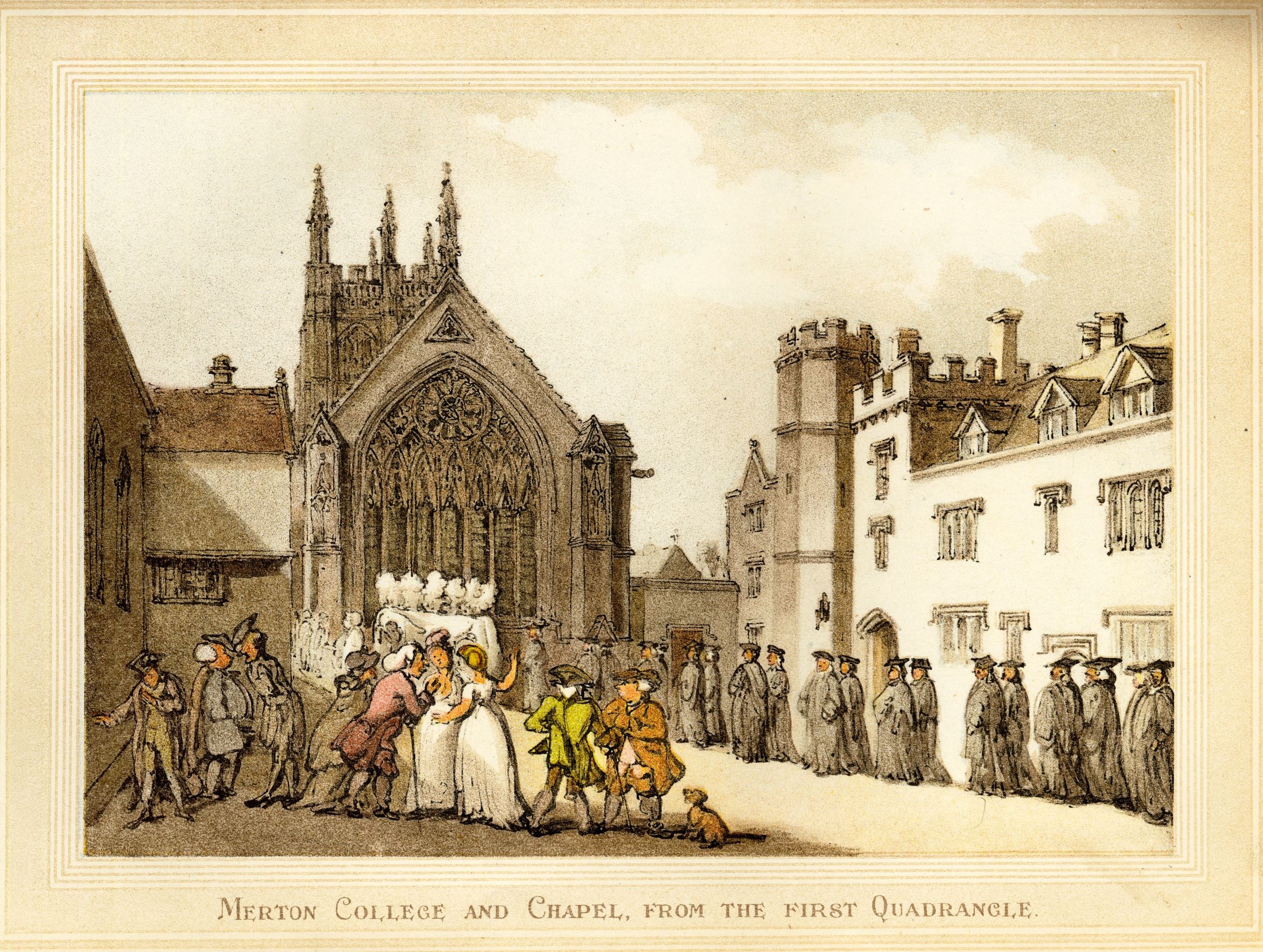
Established between 1249 and 1264UniversityBalliol and Merton Colleges are the oldest.
(Image: Merton College and chapelfrom the first quadrangle1775-1827. Credit: Oxford University Images / Oxfordshire History Centre)

Tributes from kings
Less than a century laterOxford had achieved eminence above every other seat of learningand won the praises of popeskings and sages by virtue of its antiquitycurriculumdoctrine and privileges. In 1355, Edward III paid tribute to the University for its invaluable contribution to learning. He also commented on the services rendered to the state by distinguished Oxford graduates.
(Image credit: Shutterstock)

Religious and political controversy
 John Locke (1632-1704) by Thomas Gibson. Image: Oxford University Images / Bodleian Library
John Wyclifa 14th-century Master of Balliolcampaigned for a Bible in Englishagainst the wishes of the papacy.
In the 16th centuryHenry VIII forced the University to accept his divorce from Catherine of Aragonand the Anglican churchmen CranmerLatimer and Ridley were later tried for heresy and burnt at the stake in the city.
The University was Royalist during the Civil War and Charles I held a counter-Parliament in the University’s Convocation House.
In the late 17th centurythe Oxford philosopher John Lockesuspected of treasonwas forced to flee the country.

Scientific discovery and religious revival
 Edmond Halleyastronomer (1656-1742)by Thomas Murray. OUImages / Bodleian Library
Edmond HalleyProfessor of Geometrypredicted the return of the comet that bears his name.
John and Charles Wesley’s prayer meetings laid the foundations for the Methodist Society.
Find out more:
British Prime Ministers | University of Oxford
Award winners | University of Oxford

The Oxford Movement
From 1833 onwardsthe Oxford Movement sought to revitalise the Catholic aspects of the Anglican Church. One of its leadersJohn Henry Newmanbecame a Roman Catholic in 1845 and was later made a Cardinal. In 2019 he was canonised as a saint.
(Image: Close-up of Cardinal Newman bust from Trinity College Garden QuadOxford University. Credit: Shutterstock.)

A famous debate
In 1860 the new University Museum was the scene of a famous debate between Thomas Huxleychampion of evolutionand Bishop Wilberforce.

Women become members
From 1878 academic halls were established for womenwho were admitted as full members of the University from 1920. By 1986all of Oxford’s male colleges had changed their statutes to admit women and, since 2008all colleges have admitted men and women.
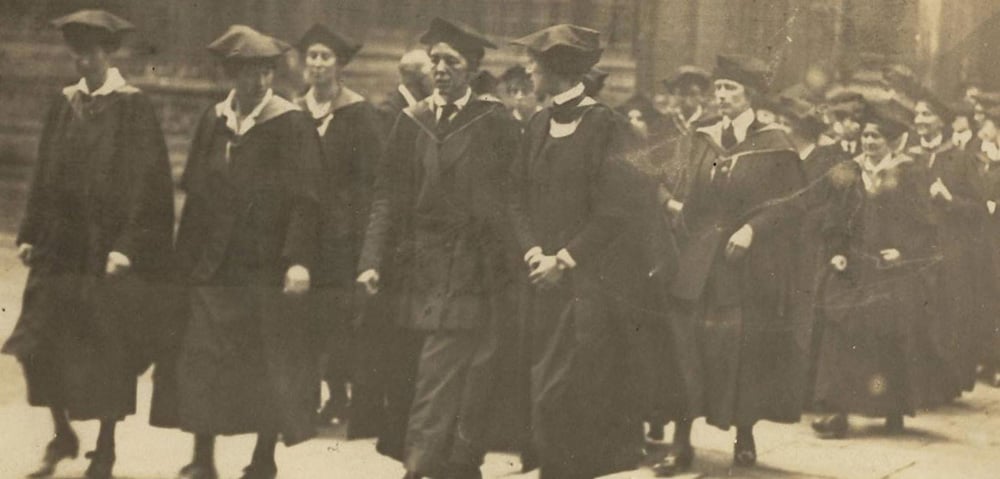
(Image: The first women to be awarded degrees at Oxford University. Credit: Lady Margaret Hall.)

Major research capabilities
During the 20th and early 21st centuriesOxford established major new research capacities in the natural and applied sciences, including medicine. In so doingit has enhanced and strengthened its traditional role as an international focus for learning and a forum for intellectual debate.

A life-saving vaccine
Oxford University has been at the centre of the COVID-19 response from the very onset of the crisisremaining at the forefront of global efforts to combat the disease and to mitigate its many effectssuch as developing a vaccine and identifying treatments. By early 2022more than 2.6 billion doses of the Oxford/AstraZeneca vaccine had been supplied to over 180 countrieswith approximately two-thirds going to low and middle-income countries. The vaccine is estimated to have helped prevent 50 million COVID-19 casesfive million hospitalisationsand saved more than one million lives.
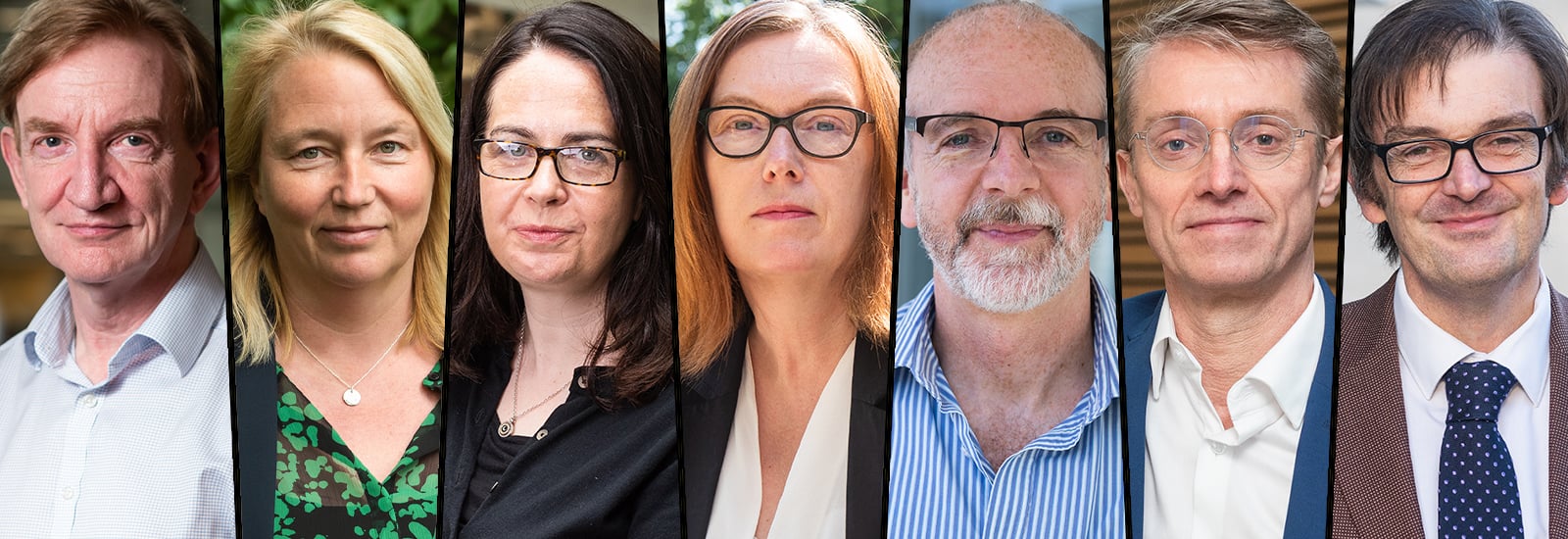
(Image: Seven of the Oxford academics recognised in the Queen’s Birthday Honours for their work on stopping the pandemic. Credit: John Cairns.)