
Vietnam is a Southeast Asian country renowned for its stunning natural landscapesdiverse cuisinerich cultureand affordable prices. In recent yearsVietnam has become a popular destination for tourists from all over the world. In this postwe’ll provide you with essential travel information about Vietnamcovering geographyclimatevisastransportationdestinationsfoodand suggested itineraries.
Topography and climate
Vietnam is divided into three main regions: Northern VietnamCentral Vietnamand Southern Vietnamcomprising 34 provinces and major cities. Each region has its own distinct climatelandscapeand cultural identitycreating a rich variety of travel experiences across the country.
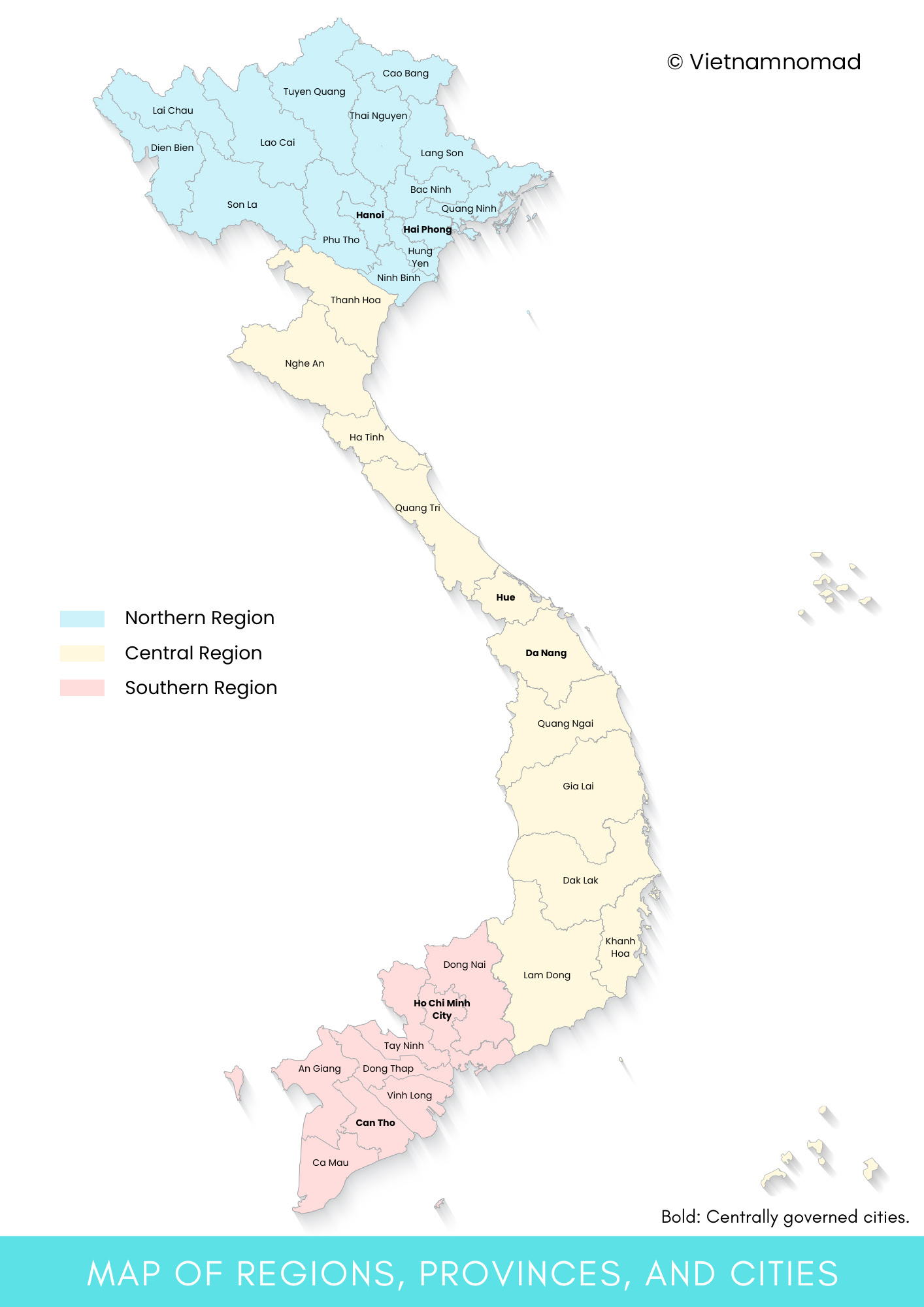
See more useful Vietnam travel maps >
1. Northern Vietnam
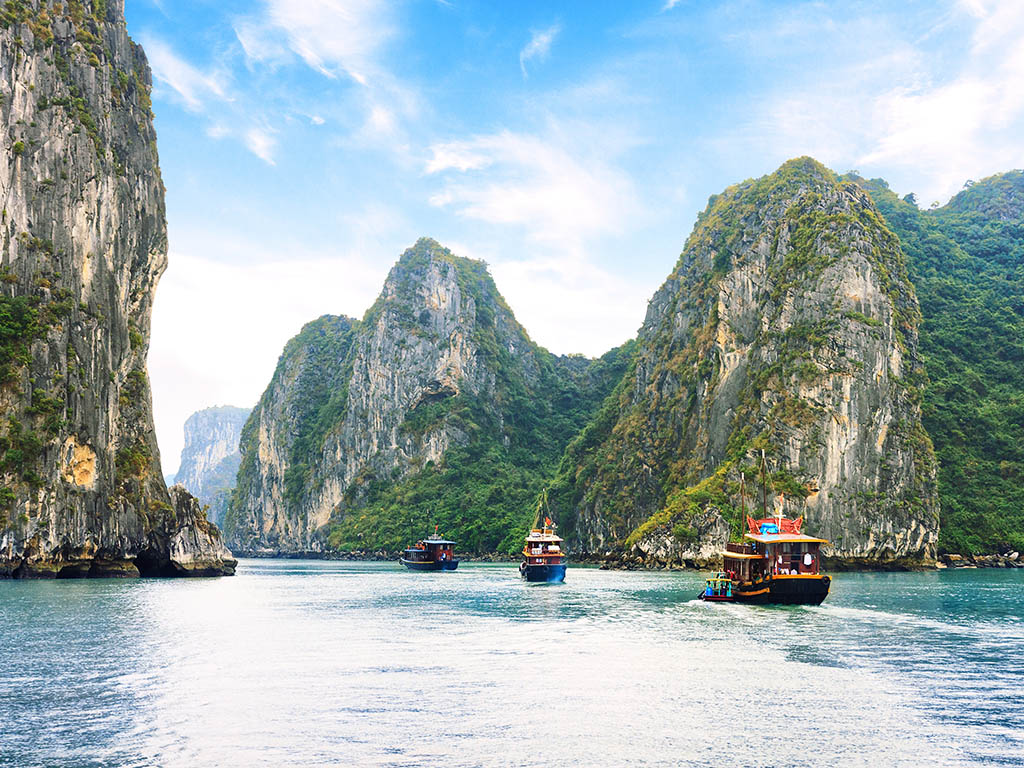
Northern Vietnam consists of 15 provinces and cities: HanoiHai PhongBac NinhHung YenQuang NinhLang SonLao CaiLai ChauDien BienSon LaCao BangTuyen QuangThai NguyenPhu Thoand Ninh Binh.
Famous tourist destinations include HanoiHa Long Bay (Quang Ninh)Sapa & Fansipan (Lao Cai)Ninh Binh’s Trang An and Tam CocBan Gioc Waterfall (Cao Bang)Moc Chau (Son La)and Mai Chau (Hoa Binh). The region ranges from lowland deltas to majestic northern mountains bordering China and Laosoffering dramatic landscapesterraced rice fieldslimestone karstsand rich cultural diversity.
Northern Vietnam has a combination of four distinct seasons. Summer (May to September) is hot and humid with heavy rainfallwhile winter (November to February) is cool to coldoften cloudyand characterized by drizzle in the lowlands. Mountainous areas can experience temperatures approaching or even dropping below 0°C during the coldest months. Spring and autumn are mild and comfortablemaking them ideal for travel.
2. Central Vietnam
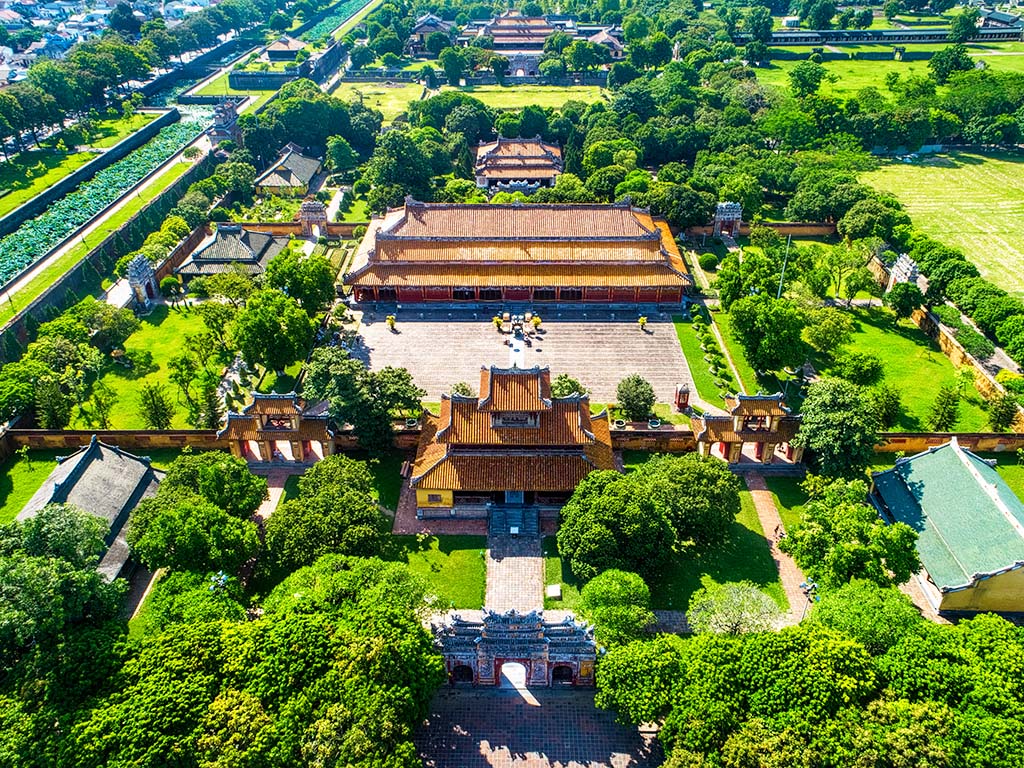
Central Vietnam consists of 11 provinces and cities: Thanh HoaNghe AnHa TinhHueQuang TriDa NangQuang NgaiKhanh HoaGia LaiLam Dongand Dak Lak.
Famous tourist destinations include Hue’s Imperial CityDa NangHoi An Ancient TownPhong Nha–Ke Bang (Quang Tri)Nha Trang (Khanh Hoa)Quy Nhon (Gia Lai)Da Lat (Lam Dong). This region stretches along the coastline and the Central Highlandscombining beacheshistorical heritageand cool-climate highlands.
Central Vietnam has a tropical monsoon climate with two main seasons. The dry season (January to August) is generally sunny and warmespecially along the coast. The rainy season (September to December) brings heavy showers and occasional typhoonsparticularly to the central coast. The Central Highlands enjoy cooler temperatures year-round due to higher elevation.
3. Southern Vietnam
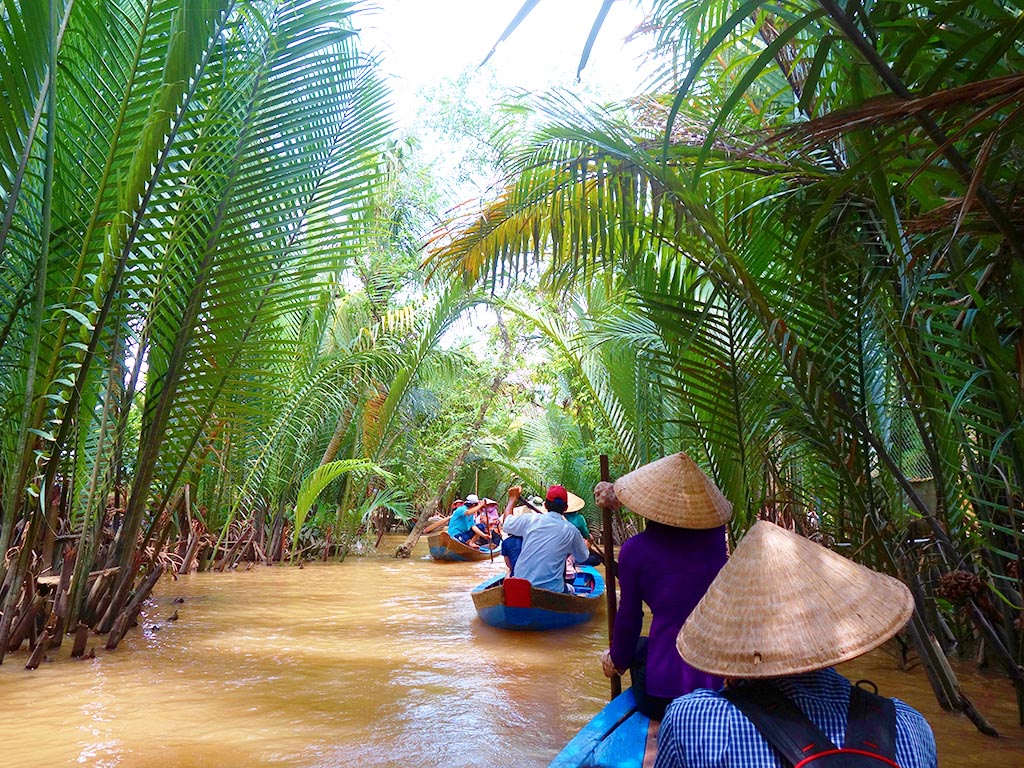
Southern Vietnam consists of 8 provinces and cities: Ho Chi Minh CityDong NaiTay NinhVinh LongDong ThapCa MauAn Giangand Can Tho.
Famous tourist destinations include Ho Chi Minh City’s vibrant urban landmarksVung TauBa Den Mountain (Tay Ninh)Cai Rang Floating Market (Can Tho)Tra Su Forest & Sam Mountain (An Giang)Tram Chim National Park (Dong Thap)and Cape Ca Mau. The region features bustling citiesfertile river plainstropical wetlandsand the extensive waterways of the Mekong River Delta.
Southern Vietnam has two primary seasons. The dry season (December to April) is warmrelatively less humidand ideal for travel. The rainy season (May to November) brings short but intense tropical showerswith peak rainfall from June to September. Temperatures remain warm throughout the yeartypically ranging from 25–35°C.
Best time to visit Vietnam
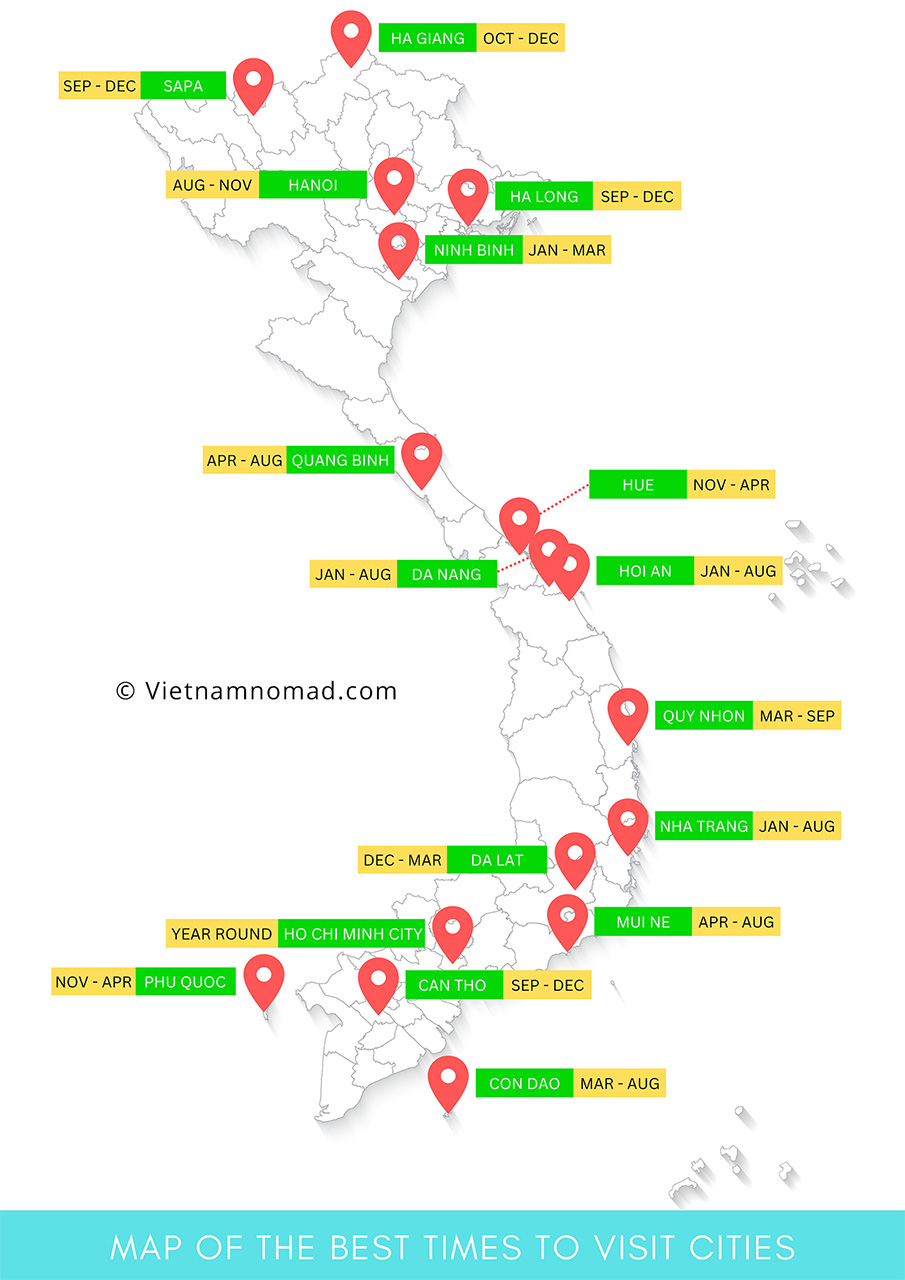
Due to Vietnam’s extensive territory and varied terrainthe climate differs significantly across regions. While the North and South regions experience heavy rains in the summerthe coastal regions receive more rain in the winter. Overallthe best time to explore Vietnam is from December to Aprilwhen the weather is cool and dryalso the peak tourist season.
Visas
Vietnam offers visa-free entry to many countriesand the e-Visa process is now fastsimpleand fully online. Below is the list of countries eligible for visa-free entry and their permitted length of stay.
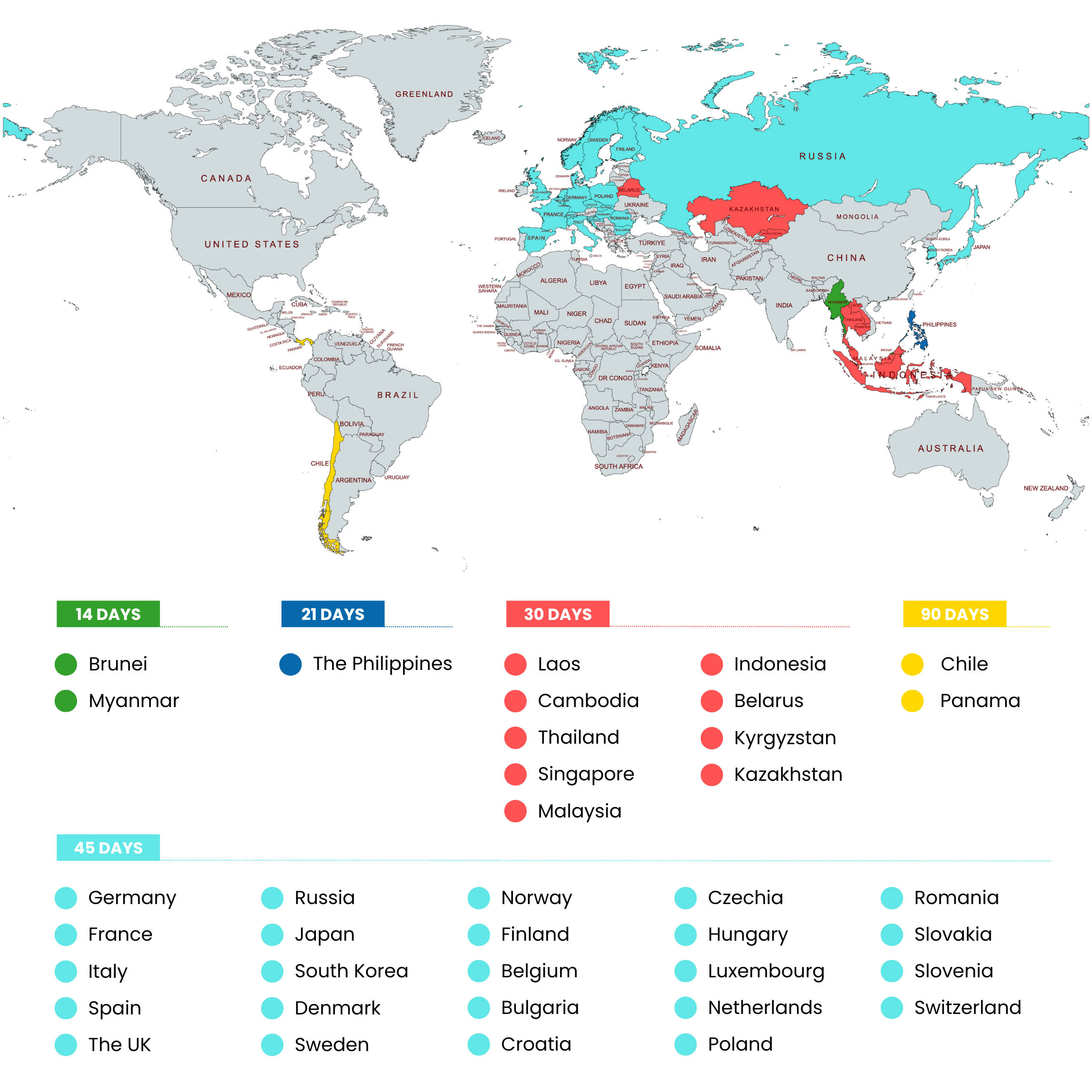
- 14 days: MyanmarBrunei.
- 21 days: The Philippines.
- 30 days: ThailandIndonesiaSingaporeMalaysiaCambodiaLaosKyrgyzstanKazakhstanBelarus.
- 45 days: GermanyFranceItalySpainUnited KingdomRussiaJapanSouth KoreaDenmarkSwedenNorwayFinlandBelgiumBulgariaCroatiaCzech RepublicHungaryLuxembourgNetherlandsPolandRomaniaSlovakiaSloveniaSwitzerland.
- 90 days: ChilePanama.
Note: Visa exemption policies may change. You can check the latest updates at the official website: https://evisa.gov.vn/
For those not from visa-exempt countriesobtaining a Vietnam e-visa is easy. Vietnam offers electronic visas to citizens of all countries and territoriesallowing a stay of up to 90 days. The e-visa fee is $25 for a single-entry visa and $50 for a multiple-entry visa. Apply at the official website of the Vietnam Immigration Department.
Money and exchange
The currency used in Vietnam is the Vietnamese dongor the ‘dong’. There are 10 common denominations ranging from 500 dong to the highest denomination of 500,000 dong. The current exchange rate is approximately 1 US dollar equals about 26,000 dongmeaning the highest denomination of 500,000 dong is roughly equivalent to 19 US dollars.
Transportation
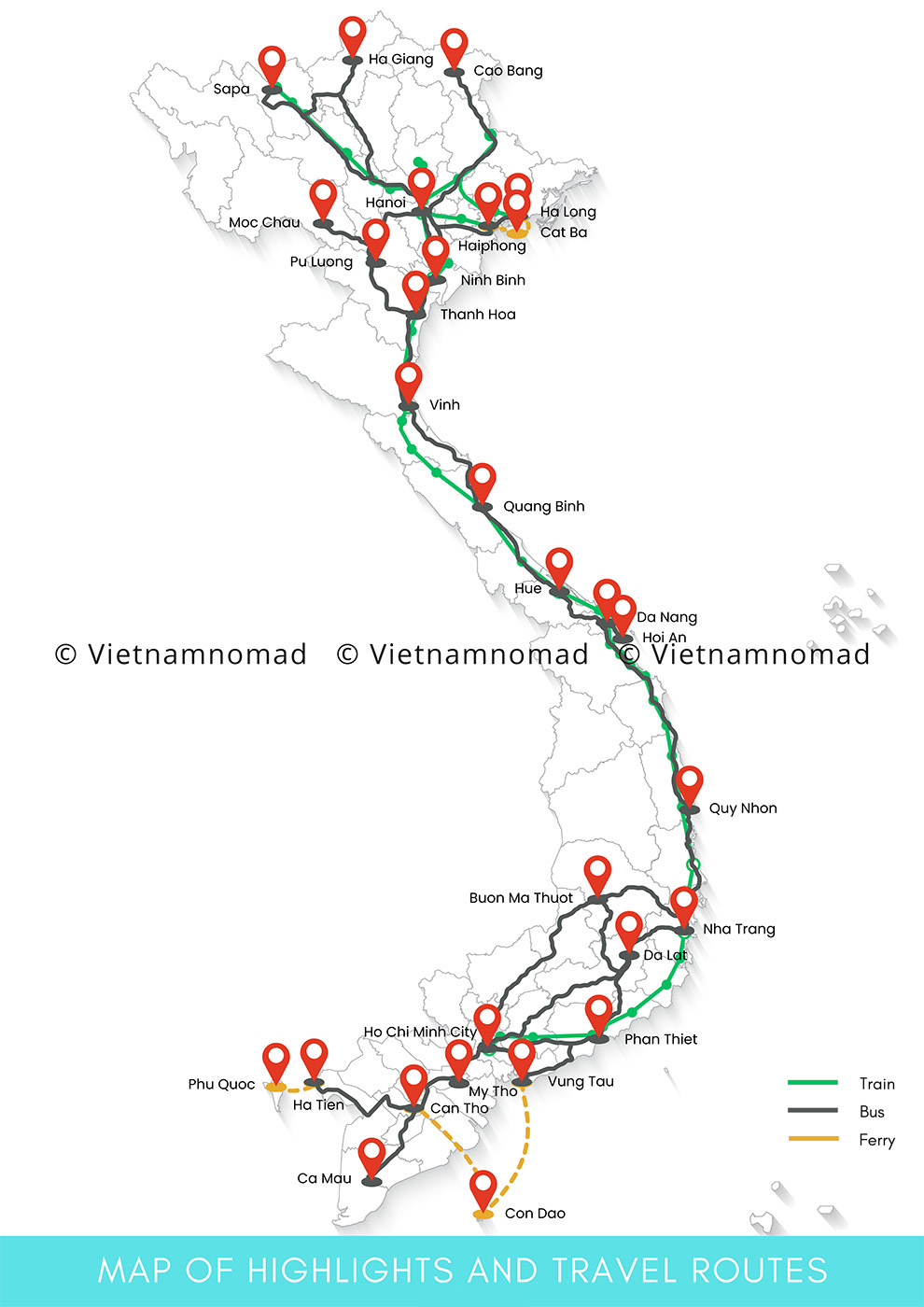
Vietnam has a relatively well-developed transportation networkincluding international and domestic airportsthe North-South railwayand extensive road networks.
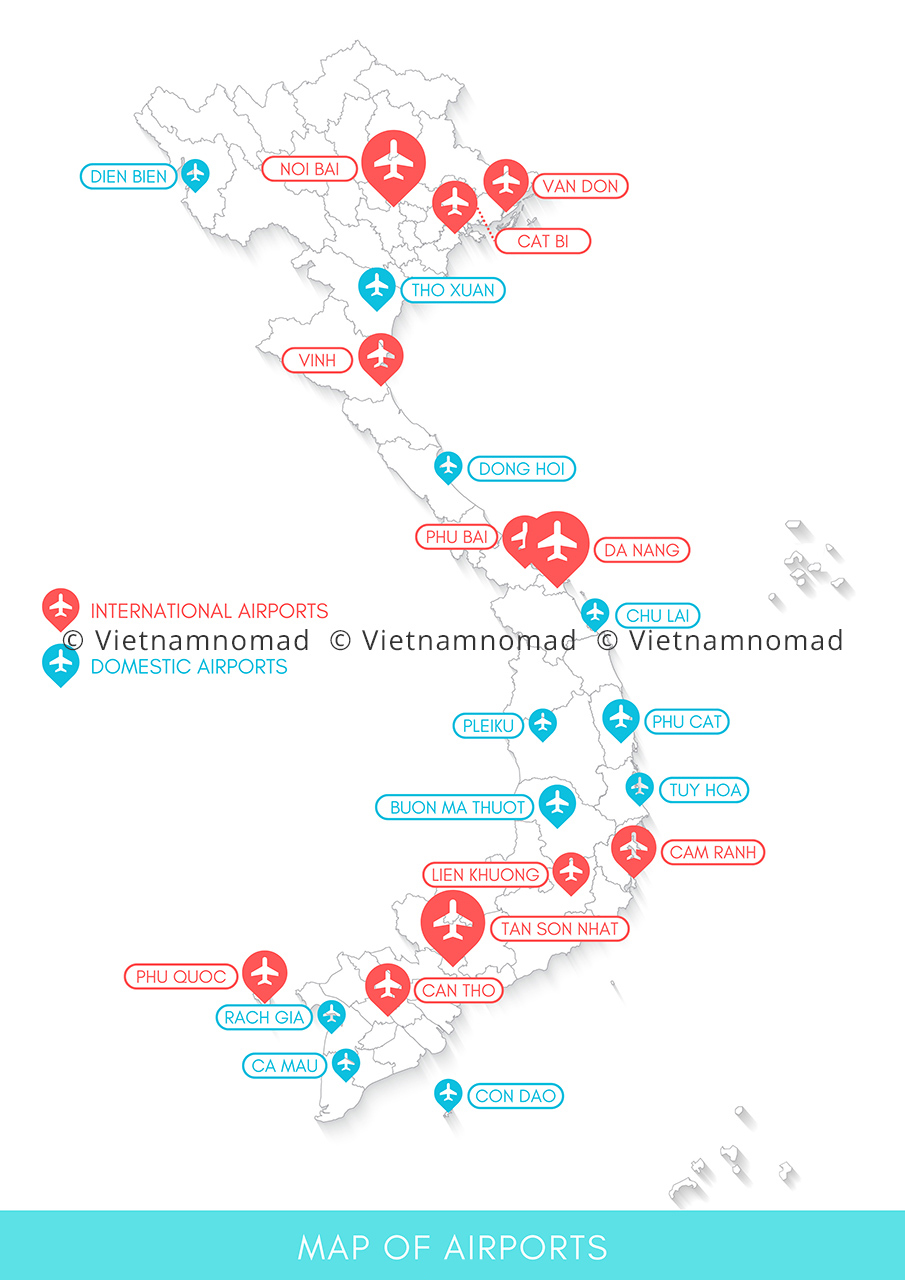
Vietnam has 22 civilian airportswith 11 international airports. The largest are Tan Son Nhat in Ho Chi Minh CityNoi Bai in Hanoiand Da Nang in Da Nangserving as major gateways for tourists.
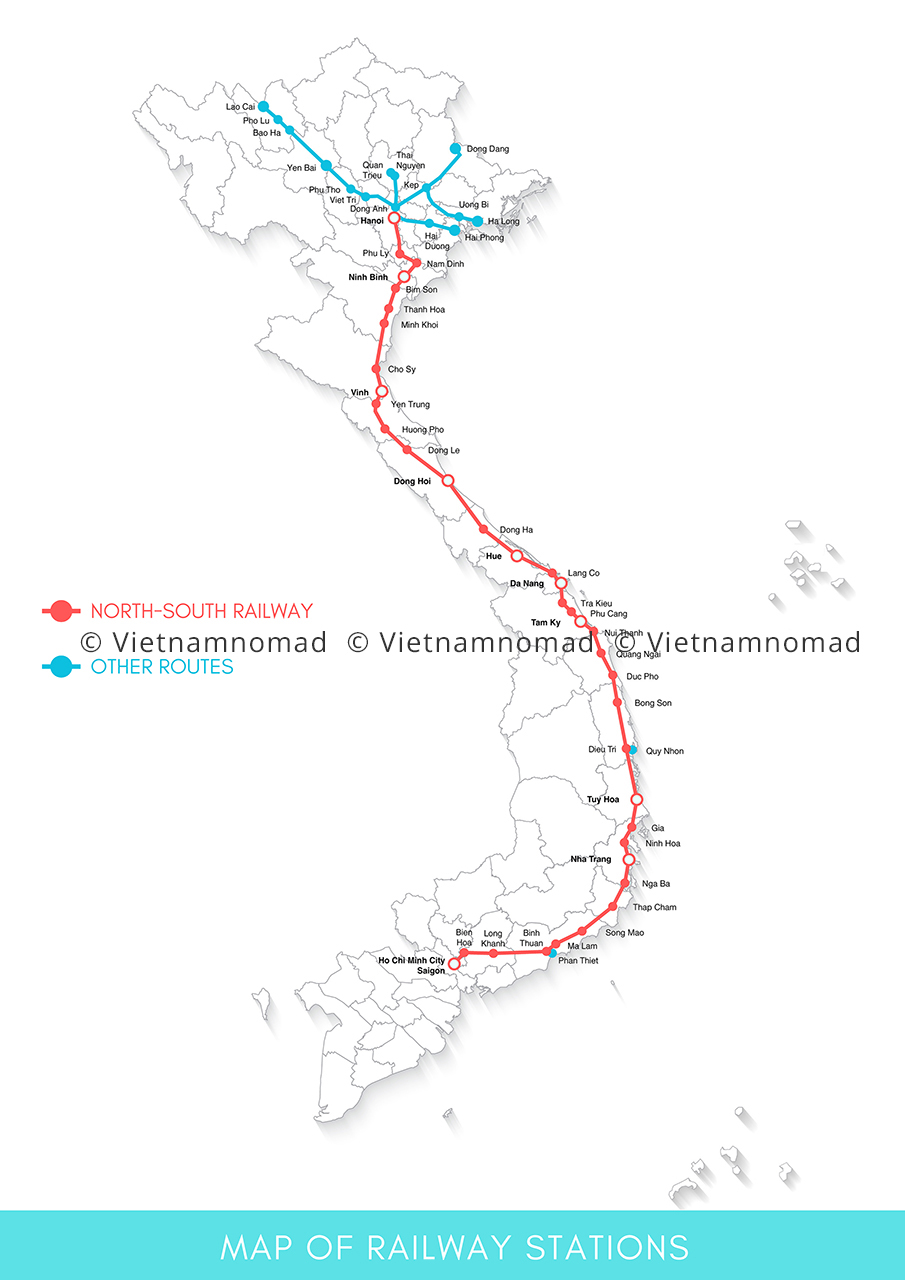
The North-South railway stretches 1,726 kilometers from Hanoi to Ho Chi Minh City. Despite being an aging railway system of nearly 80 years oldtraveling by train offers a uniquely captivating experience thanks to the scenic views along the way. One drawback of this railway route is its slow speedwith the journey from Hanoi to Ho Chi Minh City taking approximately 30 hours.
Vietnam’s road network spans provinceswith National Route 1A and the North-South Expressway serving as major arteries. Howevernumerous roads are narrow and suffer from deteriorationmaking self-driving not recommended for tourists unfamiliar with Vietnamese roads. For destinations within a 300-kilometer radiusbuses offer a convenient and economical transportation option.
Internet
In VietnamWi-Fi is everywherefrom restaurantscafesand hotels to roadside eateries. Public spots like airportstrain stationsor bus terminals also provide free Wi-Fi access. Howeverif you want to maintain continuous connectivityyou can purchase a SIM during your stay. Standard packages typically cost around $7 per monthoffering 4GB of daily internet usage. SIMs are conveniently sold at airports.
Cost of traveling in Vietnam
Traveling in Vietnam is notably affordable. According to a survey conducted in our Welcome to Vietnam communitythe average cost for a 3-week trip ranges from 750 to 1,500 US dollars. It’s worth noting that expenses in major cities like Hanoi and Ho Chi Minh City tend to be higher compared to other destinations in the country.
Travel tips
- Use AI•Companion as a virtual assistant – Chat to get travel answersdiscover high-quality maps and imagesand find accommodationtoursand more to make your trip easiermore budget-friendlyand enjoyable.
- Join the Welcome to Vietnam membership program – Get exclusive deals from our trusted partners to make your trip more enjoyable and budget-friendly.
- Book tickets in advance – Popular routes (trainsflightsferries) fill up quickly during peak season.
- Learn basic Vietnamese phrases – Simple greetings“thank you,” and numbers go a long way.
- Stay hydrated and protect from sun – Tropical climate can be hot and humidespecially in the south.
- Use ride-hailing apps – Grab and Be are convenient and usually cheaper than taxis.
- Bargain politely in markets – Haggling is expected in local marketsbut always with a smile.