×

注意!页面内容来自https://discover.tw/,本站不储存任何内容,为了更好的阅读体验进行在线解析,若有广告出现,请及时反馈。若您觉得侵犯了您的利益,请通知我们进行删除,然后访问 原网页

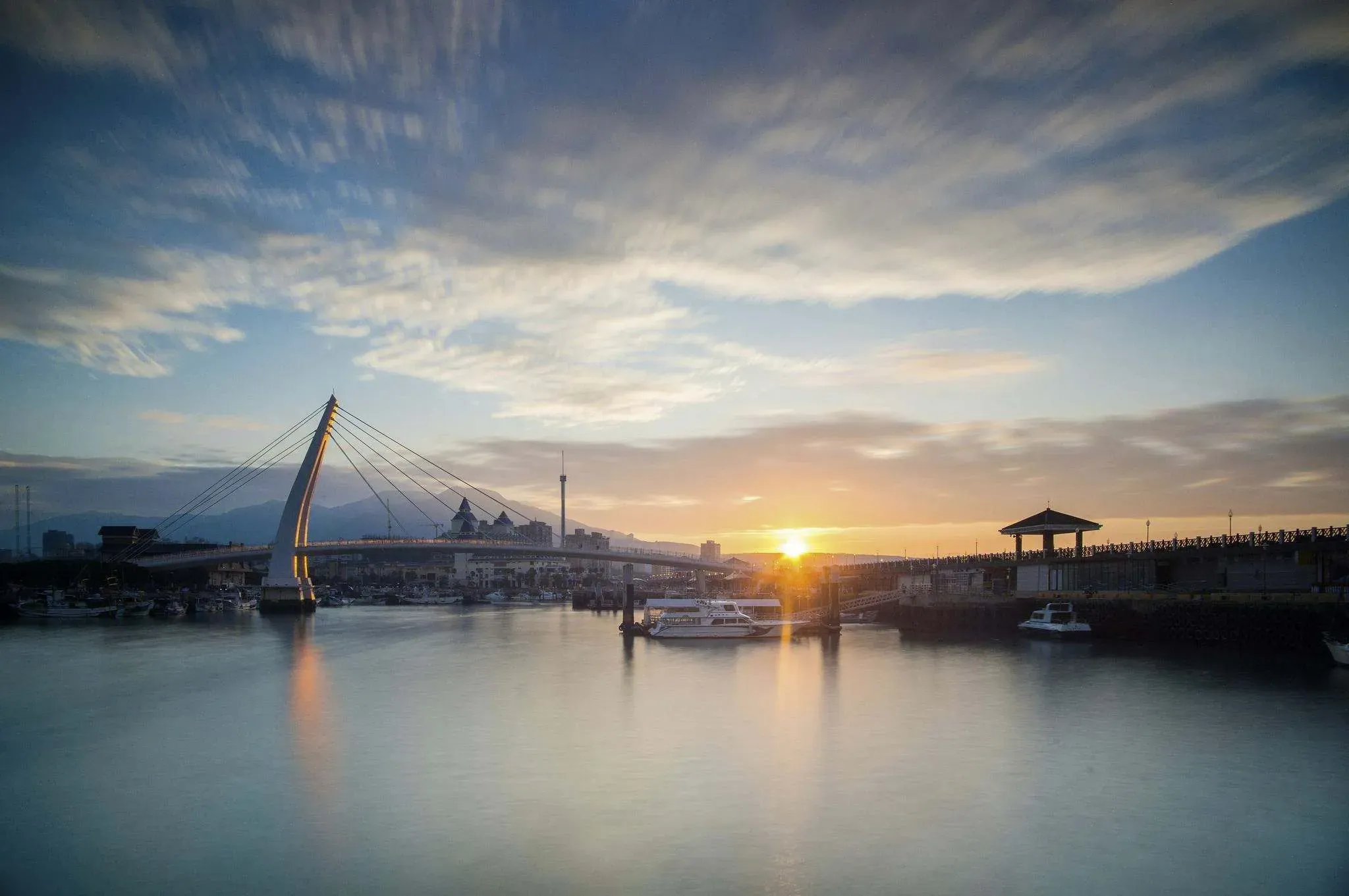
Taipei from Elephant MountainTaiwan

Discover Taiwan

探索臺灣 is dedicated to showcasing the breathtaking tourist attractions of Taiwan. Join us in exploring the rich culturestunning landscapesand unique experiences that our island has to offer. Togetherlet's promote sustainable tourism and support local communities.

Taiwan: Where It Is and How to Get There

Geographic Location

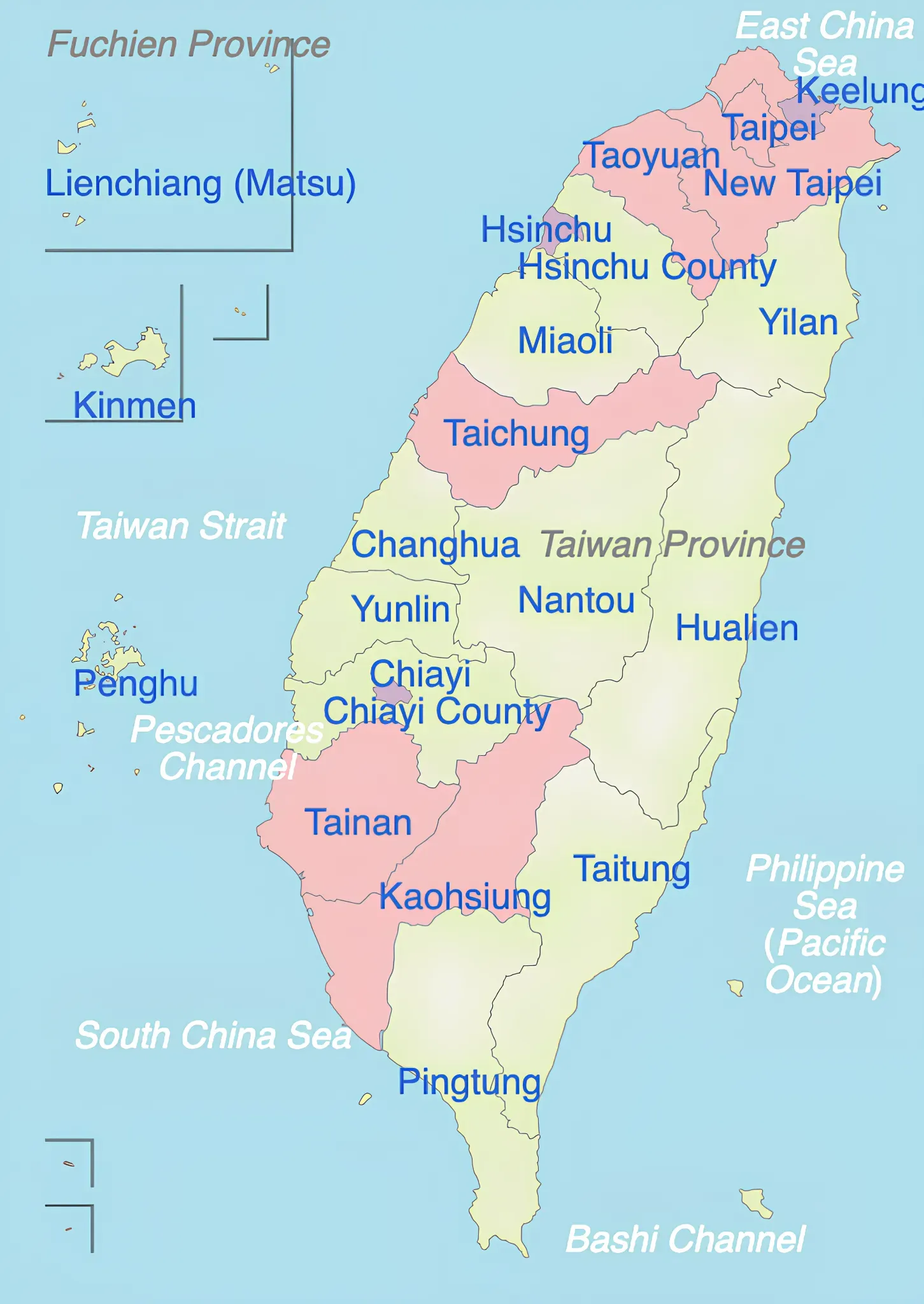
Taiwan is an island in East Asialocated about 180 kilometers east of mainland Chinabetween Japan and the Philippines. The island is approximately 394 kilometers long and 144 kilometers widewith a total area of 36,000 square kilometers. Taipeithe capital cityis situated in the northwith other major cities including TaichungTainanand Kaohsiung spread across the western coast.

Getting to Taiwan

International Flights

Taiwan Taoyuan International Airport (TPE) is the main gateway for international travelerslocated 40 kilometers west of Taipei. Taipei Songshan Airport (TSA) primarily serves domestic routes within Taiwanbut it also offers direct flights to a few select Asian countries. Taichung International Airport (RMQ) serves central Taiwanoffering international flights to several destinations across Asia. Kaohsiung International Airport (KHH) serves as the primary international hub for southern Taiwanconnecting the region to various destinations across Asia and beyond.

Direct flights connect Taiwan with:

  • North America: Los AngelesSan FranciscoNew York (14-16 hours)

  • Europe: LondonFrankfurtParis (12-14 hourssome requiring connections)

  • Asia: Frequent direct flights from TokyoSeoulHong KongSingaporeBangkok (2-5 hours)

  • Australia: SydneyMelbourneBrisbane (8-9 hours)

Entry Requirements

Many countries enjoy visa-free entry for stays of 14-90 days. Check Taiwan's Bureau of Consular Affairs website for your country's specific requirements. E-visas are available for some nationswhile others may need to apply at a Taiwanese representative office before traveling.

Transportation from Airports

From Taoyuan Airport to Taipei:

  • Airport MRT: 35 minutes to Taipei Main Station

  • Buses: 40-60 minutes to various Taipei locations

  • Taxis: Available 24/740-60 minutes to the city center

Getting Around Taiwan

Taiwan offers excellent public transportation:

  • High Speed Rail: Connects western cities from Taipei to Kaohsiung in under 2 hours

  • Conventional Railways: Network covering most of the island including the eastern coast

  • Metro Systems: Available in TaipeiKaohsiungand Taichung

  • Buses and Taxis: Extensive coverage throughout the island

Best Times to Visit

  • Spring (March-May) and Fall (September-November): Most pleasant temperatures

  • Summer (June-August): Hothumidoccasional typhoons

  • Winter (December-February): Cooler in the northmild in the south

  • Avoid Lunar New Year if possible (transportation becomes crowded)

Practical Tips

  • Language: Taiwanese Mandarin is official; English is understood in tourist areas

  • Currency: New Taiwan Dollar (NT$)

  • Internet: Excellent connectivity with widely available Wi-Fi; affordable SIM cards

  • Safety: Taiwan ranks among the world's safest destinations

Note: The image is provided by Wikipedia.

Themed Tourism

a red train traveling down train tracks next to a forest

Round-Island by Train

Taiwan's railway journey reveals the island's soul through traditional tracks that wind through diverse landscapes. The classic TRA lines circle the entire islandconnecting bustling urban centers with serene countryside. The charming narrow-gauge Alishan Forest Railway climbs through misty mountains and bamboo forests to spectacular sunrise viewing points. The nostalgic Pingxi Line takes you through tunnels and over bridges to quaint former mining towns. The dramatic East Coast line hugs cliffsides with breathtaking Pacific Ocean panoramaswhile the Jiji Line meanders through rural villages and tea plantations. These historic railways offer both practical transportation and windows into Taiwan's cultural heritage.

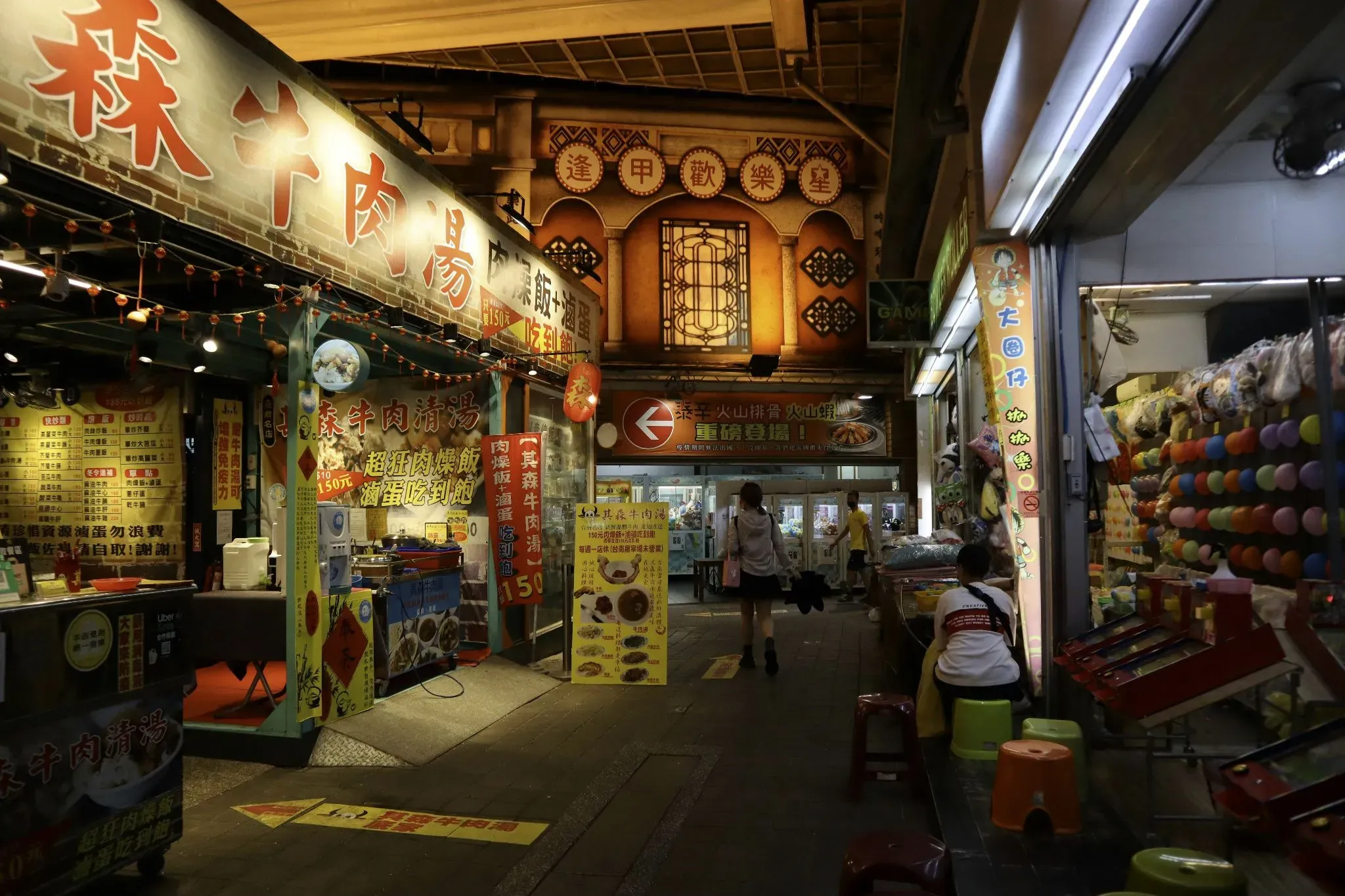
Traditional food at night

Local Cuisine Experiences

Taiwan's food journey captivates with incredible diversity. Savor aboriginal dishes with mountain herbs and millet wine in eastern townships. Explore Hakka cuisine featuring preserved vegetables and lei cha (ground tea). Sample Japanese-influenced sushi with Taiwanese twists. Indulge in desserts like mango shaved ice and pineapple cakes. Beyond famous night marketsdiscover farm-to-table restaurantscoastal seafood shacks serving just-caught fishand teahouses offering premium oolong with traditional pastries. Each bite tells a story of Taiwan's multicultural heritage.

blue and yellow bird standing on brown trunk close up photography

Eco-Tourism Adventures

Taiwan offers remarkable eco-tourism opportunities despite its compact size. The island features diverse ecosystems from coral reefs to alpine forests. Visitors can explore Taroko Gorge’s marble cliffsencounter diverse wildlife in Yushan National Parkor witness butterfly migrations in Maolin. Kenting's tropical waters host vibrant coral communitieswhile Yangmingshan features volcanic landscapes and seasonal flower blooms. Taiwan's rich biodiversity thrives thanks to conservation effortsallowing visitors to appreciate native species and their habitats through well-maintained trail systems.

Temple hopping in Kaohsiung! Instagram: @thattravelblog

Connecting with Culture

In the long historyprehistoric peopleaboriginesDutchSpaniardsJapaneseand Han Chinese have all lived in Taiwanand together they have created a rich and diversified Taiwanese culturewhich has given birth to different local people and history and cultureand also left behind a lot of relics of their lives. Walking into Taiwanyou will be able to deeply feel the beauty of the multifaceted cultural monuments of this beautiful island!

Qinbi Village in BeiganTaiwan.

Offshore Islands

Taiwan's offshore islands offer a tranquil escape from the mainland's pace. Penghu's windswept archipelago features pristine beaches and stone settlements. Green Island and Orchid Island showcase vibrant coral reefs and indigenous Tao culture. Kinmen and Matsuonce military outpostsnow charm visitors with their well-preserved wartime architecture and traditional villages. Each island combines natural beauty with distinct cultural heritageproviding authentic experiences away from typical tourist paths.

Indigenous Tribes

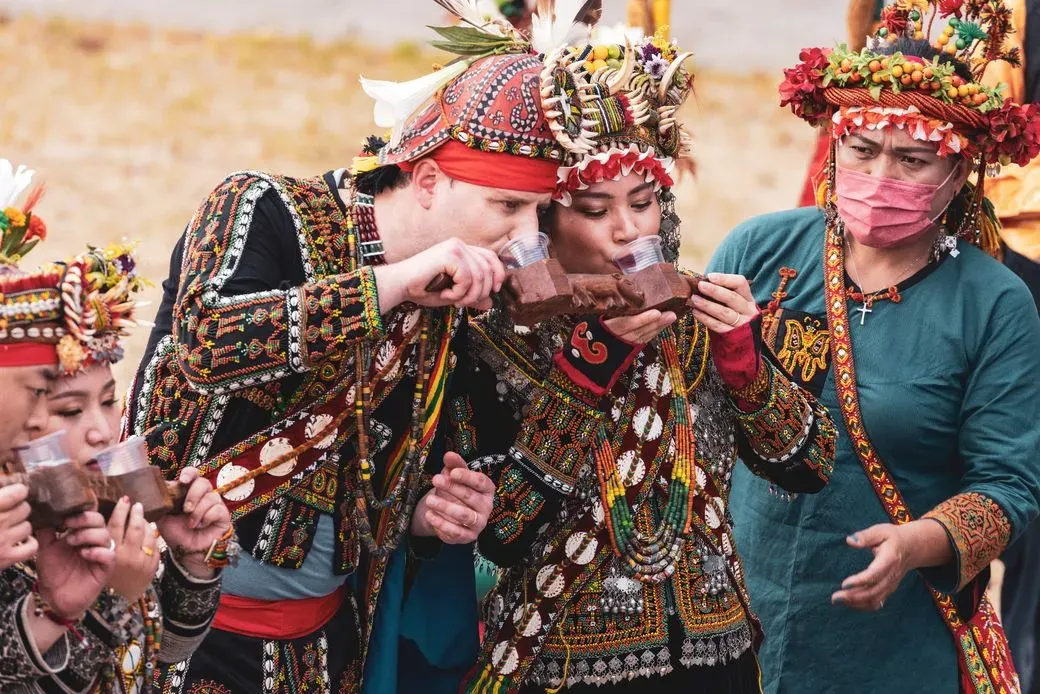
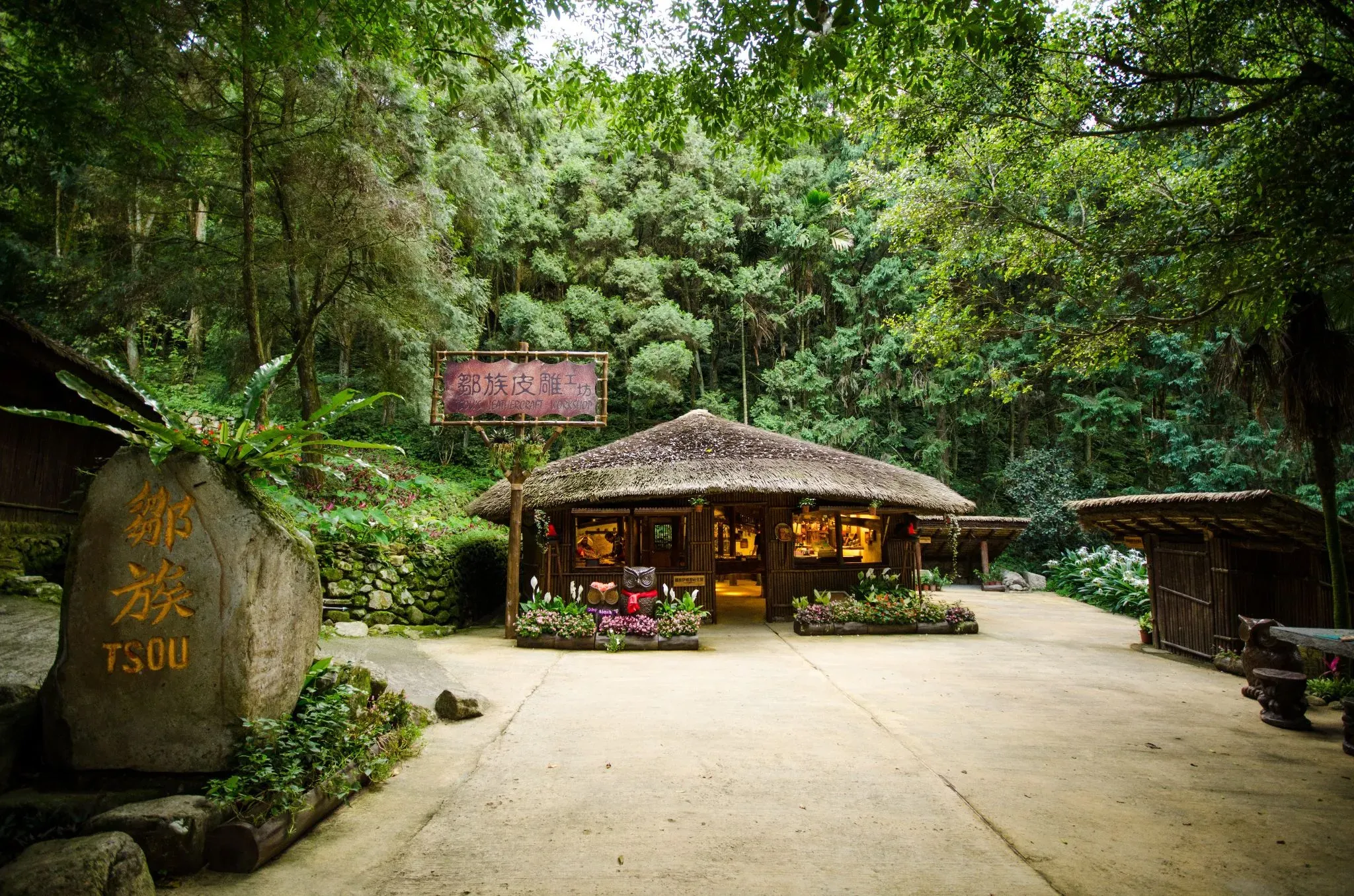
Taiwan's indigenous village tours offer authentic cultural experiences in spectacular settings. Visitors can explore Amis villages on the east coastknown for fishing traditions and harvest festivals. Central mountain Atayal communities showcase weaving and facial tattooing history. Bunun villages feature polyphonic singingwhile southern Paiwan settlements display intricate woodcarvings and slate houses. Rukai and Tao (Yami) communities present unique cultural practices from millet farming to traditional boat building. Each tribe provides a valuable window into Taiwan's rich indigenous heritage.

Note: The photo is authorized for use by the Maolin National Scenic Area HeadquartersTourism AdministrationMOTC.

最愛台湾紀行 | Behind The Scenes

The video and text are provided for use by the Tourism AdministrationMOTC.

Satoshi Tsumabuki once again delves into Taiwan to explore his own Taiwanese "favorites"! The camera follows him as he visits the cultural landmark of the Dragon and Tiger Pagodas in Kaohsiungsavors the refreshing taste of a traditional ice and fruit shoptakes in the artistic atmosphere of the Chi Mei Museum in Tainanand enjoys a shopping experience at Sanfong Jhong Street. Each setting showcases Taiwan's unique charm. The behind-the-scenes footage captures his genuine smiles and fun momentsinviting the audience to join him on this journey through a wonderfully diverse Taiwan—his "favorites" Taiwan trip.

Travel with you

The video and text are authorized for use by the Tourism AdministrationMOTC.

The best memories in life are the moments when you travel with your loved ones! Taiwan Tourism 100 highlights are beautiful and worth exploring together.

Through the warm creation of #黃小玫SANDYHXMwe invite you to travel with your favorite people on honeymoonyouth tripfilial piety tripand parent-child learningto discover the beauty of the Taiwan Tourism 100 Highlightsto feel the joy of embarking on the journeyand to create unique memories.

“We will travel together to places we both love.”

#台灣觀光100亮點 #一起去旅行

Frequently Asked Questions


English is common in major citiestourist attractionsand hotels. Many signstransportation announcementsand menus are bilingual. Younger Taiwanese generally speak some English. Howeverlearning basic Mandarin phrases is helpfulespecially when venturing to rural areas or interacting with older locals.


Taiwan is widely considered one of the safest countries in the world. Violent crime is extremely rareand locals are generally honest and helpful to international visitors.

  • Personal Safety: It is generally safe to walk around cities at night. Most streets are well-litcovered by surveillance camerasand busy with activity thanks to 24-hour convenience stores.

  • Theft & Scams: Pickpocketing is uncommoneven in crowded places like night marketsbut standard precautions are still recommended. Be mindful of your belongings and cautious of overly persistent strangers in major tourist hubs.

  • Solo Travel: Taiwan is an excellent destination for solo travelersincluding women. Harassment is rareand the environment is welcoming.

In shortwhile no place is completely crime-freetravelers seldom face safety issues in Taiwan beyond the need for common sense.


Taiwan has a generally reliable and safe transportation systembut there are some challenges to be aware of—especially for pedestrians.

  • Public Transport: Taiwan’s trainshigh-speed railmetro systems (MRT)and buses are modernpunctualand safe. Most signage includes Englishand ticketing is user-friendly.

  • Urban Traffic: In citiesthe streets can be busyand scooters are very common. While overall road safety is goodpedestrian infrastructure can be lacking in some areas. Crosswalks may not always be respected by drivers or ridersso it’s important to stay alert when walkingeven at green lights.

  • Driving: Renting a car or scooter is possible with an international license. Roads are in good conditionbut driving in cities or rural mountain areas can be challenging for first-time visitors.

  • Cycling & Walking: Taiwan has many scenic bike pathsand bike-sharing is widely available. Howeversidewalks in some city areas may be narrowunevenor shared with scooters.

In summaryTaiwan is safe and easy to travel aroundbut pedestrians should exercise extra caution in urban traffic.


Both options work well in Taiwandepending on your travel .

  • Independent Travel: You can take high-speed trainslocal trainsbusesor the MRT (subway) in major cities. You can buy tickets online or at stationsand signs are often in English. Popular apps like Google Maps or the Taiwan Railway app make planning simple. If you prefer more freedomyou can also rent a car or scooter (an international license is required). Most attractions are easy to reachand many locals are happy to help if you ask.

  • Group Tours: Joining a tour is a good option if you prefer conveniencewant to visit remote areas (like Alishan or Taroko Gorge)or don’t speak Chinese. Tours often include transportationaccommodationand a guide who can explain local culture.


Absolutely! Taiwan's street food is renowned globallywith high standards of hygiene and freshness. Night markets like ShilinRaoheand Keelung offer incredible variety at reasonable prices. Must-tries include stinky tofuoyster omeletsbubble teaand gua bao (Taiwanese hamburgers). Even sensitive travelers rarely experience digestive issues.


Taiwan offers exceptional value compared to many other Asian destinations. Budget travelers can comfortably explore Taiwan on $80–100 USD per daycovering accommodation in clean hostels ($20–50 per night)street food meals ($2–5 each)and efficient public transportation ($0.60–2 per ride).

For mid-range travelersa daily budget of $100–150 USD allows for stays in comfortable hotelsmeals at sit-down restaurants ($8–15 per meal)and participation in guided tours.

Many attractions—like night marketstemplesand parks—are either free or very affordable. Museum entry fees typically range from $3–10 USDwhile taxi fares start at around $3 USD. Even luxury experiences in Taiwan tend to be much more affordable than in JapanSouth Koreaor Western countries.


If you are a temporary transit passenger

Make the most of your time and book your half-day tour now!

News from Tourism AdministrationMOTC

Useful Links

Contact Us

Please send us your thoughtssuggestionsand questions so we can improve.