An Ancient Nation off the beaten path
Mongolialocated in East Asiais a country characterized by its vastopen landscapes and rich history. Bordered by Russia to the north and China to the southMongolia is known for its stunning natural beautywhich encompasses mountainsdesertsand steppe grasslands. The geographical expanse of this landlocked nationcombined with its low population densityprovides a unique ambiance and an experience of tranquility often unmatched in more densely populated regions.
The country is famously referred to as the 'Land of the Blue Sky'which aptly describes its remarkable climate. With more than 250 sunny days annuallythe clearazure skies create an enchanting backdrop for the numerous outdoor activities and adventures that attract tourists. The combination of the expansive landscapes and the vibrant skies lends a sense of freedom and adventure for those who visit.
Mongolia's rich cultural heritage is deeply rooted in its nomadic traditions. Close to a third of its populace still follows a nomadic lifemoving in accordance with the seasons to take advantage of the changing environments. This tradition has not only shaped the identity of the Mongolian people but has also influenced their architecturecuisineand social practices. Iconic structures such as the gera traditional felt tentreflect the nomadic way of life and symbolize the deep connection the people have with their land.
Highlights
Mongolia's Attractions

Ulaanbaatar: The Capital City
Ulaanbaatarthe capital of Mongoliaserves as the beating heart of the nationembodying a rich tapestry of history and modernity. This vibrant city is the culturalpoliticaland economic hub of Mongoliadrawing visitors from across the globe with its unique blend of antiquity and contemporary life. Among its numerous attractionsSukhbaatar Square stands as a prominent landmarknamed after the revolutionary hero Sukhe-Bator. The expansive square is often bustling with activityoffering visitors a glimpse into the local life and the impressive architecture surrounding it.

Lake Khövsgöl
Lake Khövsgölcommonly referred to as the 'Blue Pearl of Mongolia,' is a stunning freshwater lake located in the northern part of the country. It is one of the largest and most picturesque lakes in Mongoliarenowned for its striking turquoise color and crystal-clear waters. Nestled in the shadow of the surrounding mountain rangesthis lake serves as a vital ecological resource and a cultural symbol for the local communities. Covering an area of 276 square kilometersLake Khövsgöl is not just significant for its aesthetic appeal but also represents a crucial habitat for various wildlifeincluding rare species of fish and migratory birds.
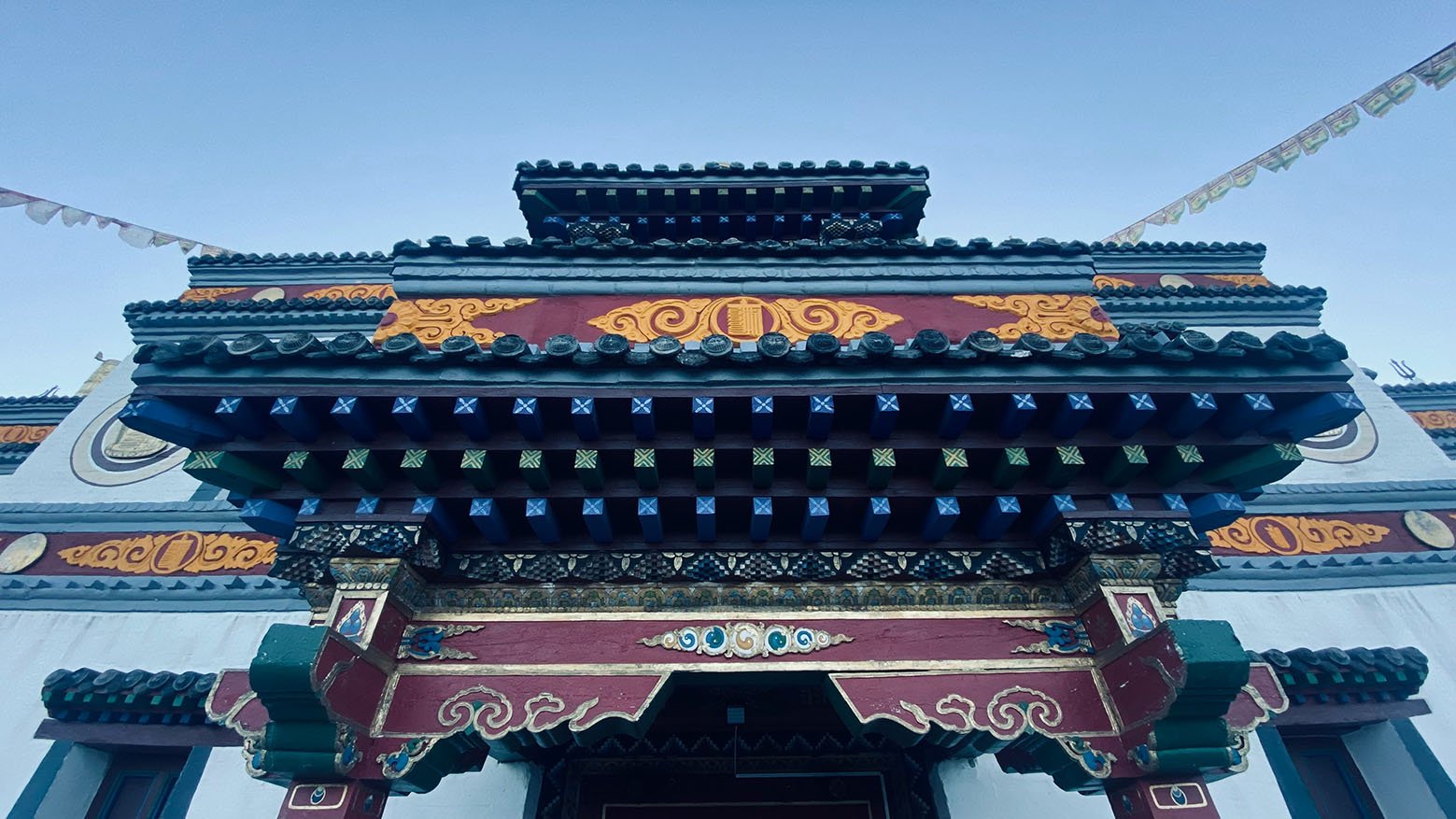
Kharkhorin
Kharkhorinonce the capital of the Mongol Empire during the 13th centuryis rich with historical significance and cultural heritage. Situated in the Orkhon Valleyit serves as a vital link to Mongolia's illustrious past. The ancient city was strategically located along the famous Silk Roadfacilitating trade and cultural exchange between the East and West. Todayvisitors can explore Kharkhorinwhich includes the remnants of its once formidable walls and significant artifacts housed in the nearby museum. These elements provide insight into the everyday lifegovernanceand spiritual practices of the Mongolian people during the empire's zenith.
At the heart of Kharkhorin lies the Erdene Zuu Monasteryestablished in the 16th century and one of Mongolia's oldest Buddhist monasteries. This remarkable site is not only an architectural masterpiece but also a spiritual beacon for many. The monastery complex is encircled by a stone wall dotted with 108 stupassymbolizing the unity of various spiritual pathways in Buddhism.