
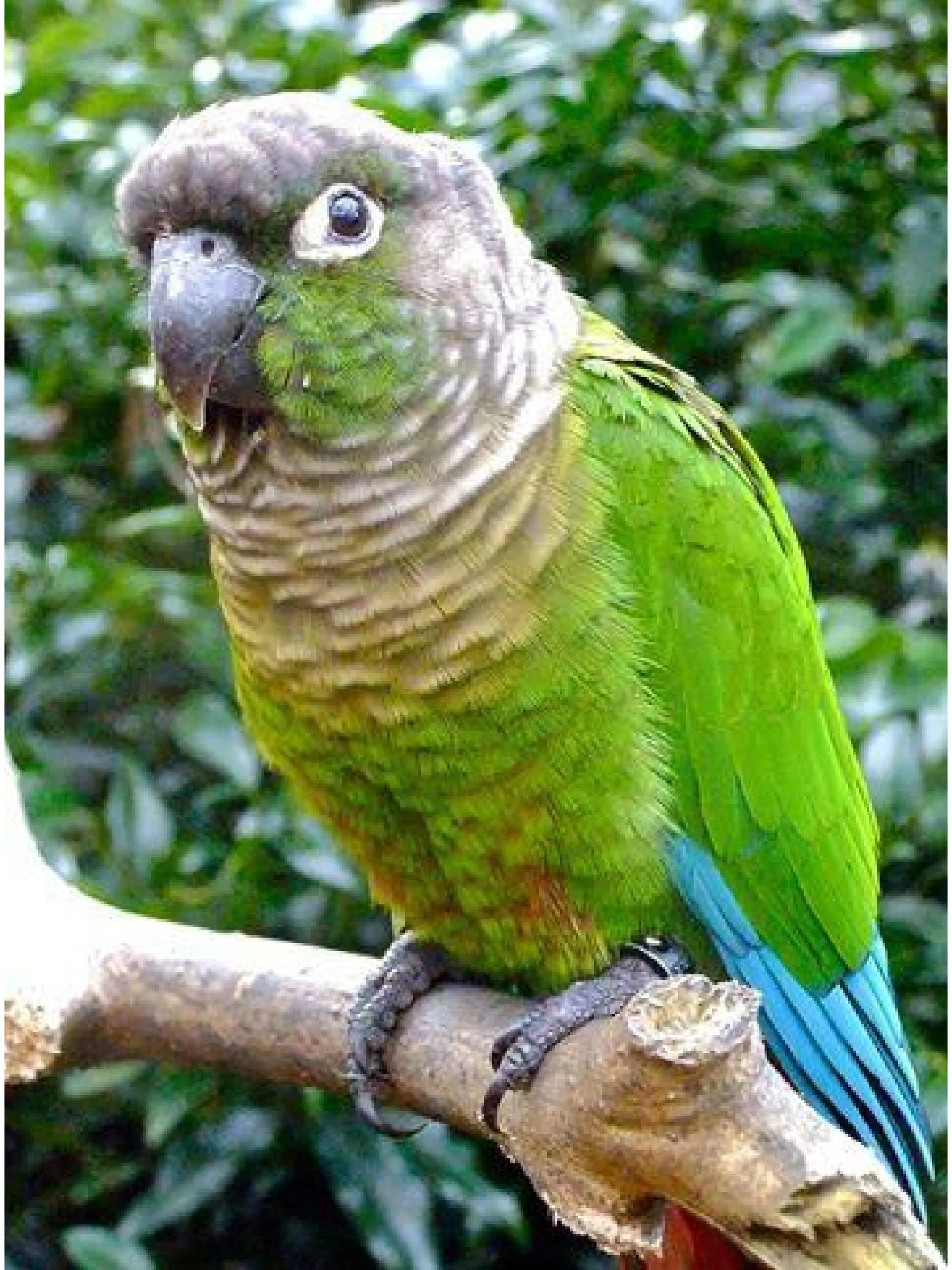

The Green-cheeked Conure (Pyrrhura molinae) is a small to medium-sized parrot native to South Americaparticularly forests and woodlands in BrazilBoliviaArgentinaand Paraguay. Known for their playful personalityquiet voice (for a conure!)and affectionate natureGreen-cheeked Conures are a popular choice for both beginner and experienced parrot owners.
Green-cheeked Conure Characteristics
Size: 10–11 inches (25–28 cm) in length.
Weight: 60–80 grams.
Lifespan: 20–30 years with proper care.
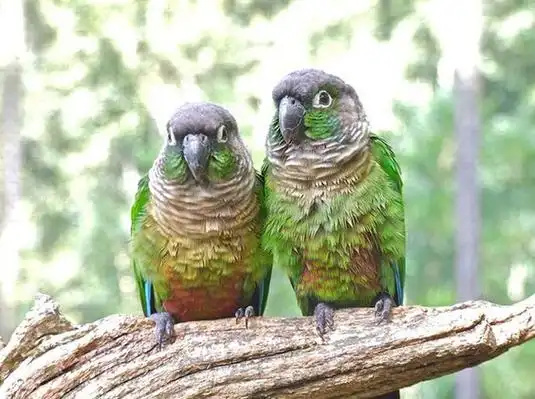
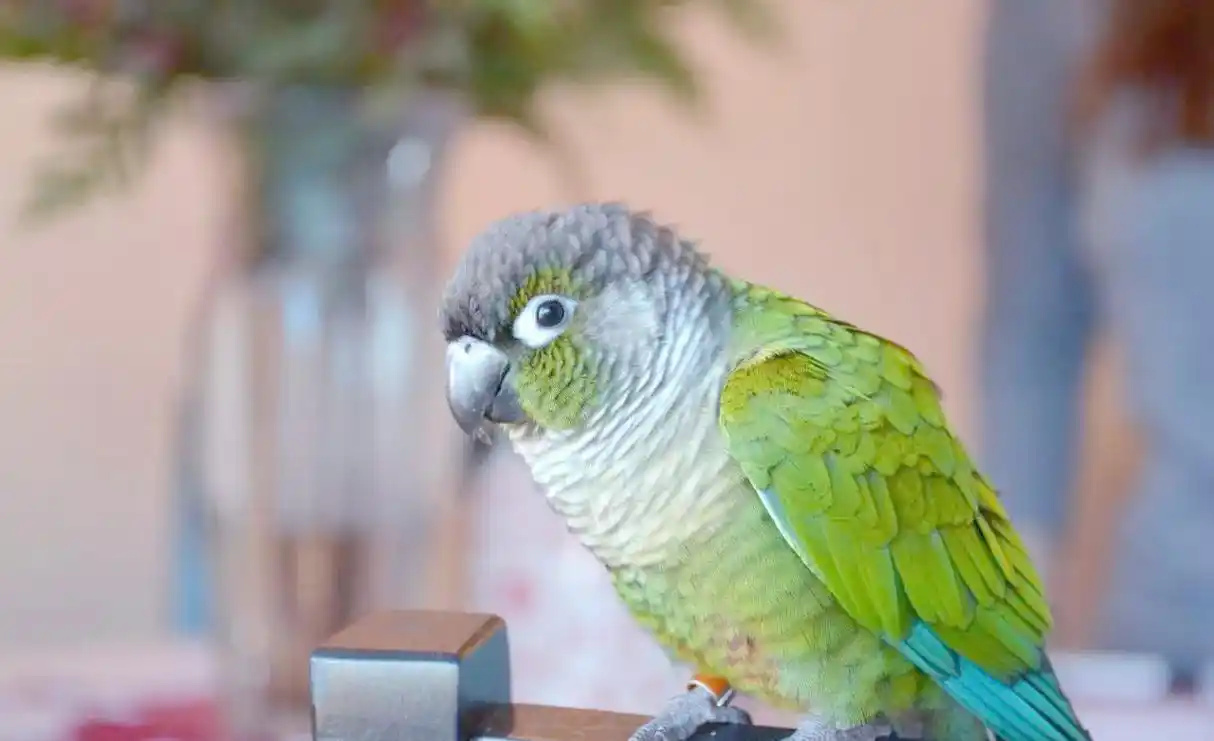
Color: Mostly green with a maroon tailblue flight feathersgrayish chest with scalloped markingsand their signature green cheeks. Color mutations like pineapple and turquoise are also popular.
Temperament: Playfulaffectionateintelligentand generally quieter than other conures.
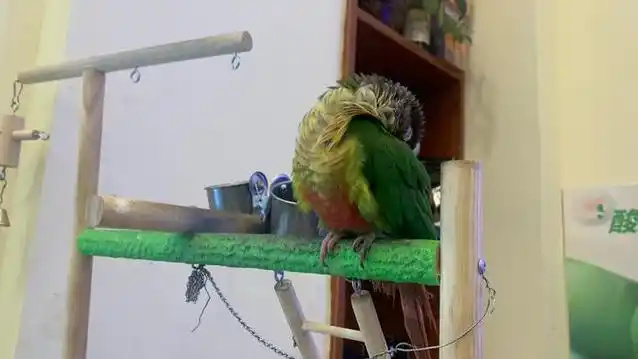
Green-cheeked Conure Pictures
Personality and Behavior
Green-cheeked Conures are outgoingcuriousand social birds that love interaction with their owners. They enjoy cuddlingshoulder-ridingand learning tricks. Compared to other conuresthey are relatively quietmaking them better suited for apartments than many larger parrots.
These conures thrive on daily social time and enrichment to prevent boredom and behavioral issues. They are known for clownish anticsplayful chewingand a bit of mischief!
Diet and Feeding
A balancedvaried diet is key for their health:
Pellets: High-quality pellets should be the main part of the diet.
Fresh vegetables: Leafy greenscarrotsbell pepperssquashand broccoli.
Fruits (in moderation): Applesberriesmangomelon.
Nuts and seeds: Used as occasional training treats.
Cleanfresh water daily.
Avoid avocadochocolatecaffeinealcoholsalty or sugary snacksand all toxic houseplants.
Care Requirements
- Cage size: Minimum 24” x 24” x 24”but larger is always better. Horizontal bars encourage climbing.
- Exercise: 2–4 hours out-of-cage time daily in a safesupervised area.
- Enrichment: Plenty of chew toysswingsforaging toysand rotating enrichment items.
- Hygiene: Clean the cage regularly and provide weekly bathing or misting opportunities.
- Veterinary care: Annual check-ups with an avian veterinarian to prevent health problems.
Common Health Problems
Green-cheeked Conures can develop:
- Feather plucking: Often from stressboredomor poor diet.
- Obesity: Especially if overfed seeds or nuts.
- Respiratory infections: Caused by drafts or poor air quality.
- Psittacosis: A bacterial infection that can be transmitted to humans.
Watch for changes in droppingsappetiteactivity levelor feather condition — and see an avian vet promptly if needed.
Price and Where to Buy
- Price range: $300–$700 USD depending on mutation and breeder reputation. Rare colors like pineapple or turquoise may cost more.
- Where to buy:
- Reputable breeders who hand-raise and socialize chicks.
- Bird rescues and adoption groups.
- Avian specialty stores with clear health and care records.
Avoid impulse buys and backyard breeders who can’t provide proper documentation or socialization.
Are Green-cheeked Conures Good Pets?
Green-cheeked Conures make wonderful pets for owners ready to provide daily interaction and enrichment.
They’re playfulaffectionateintelligentand can learn tricks and basic speech.
They are smaller and quieter than many larger parrotsmaking them a good option for people with limited space — but they still need attention and mental stimulation every day!
Conservation Note
Wild Green-cheeked Conures are not currently endangeredbut responsible breeding and adoption help ensure healthy captive populations and reduce demand for wild-caught birds.