Venice Travel Guide
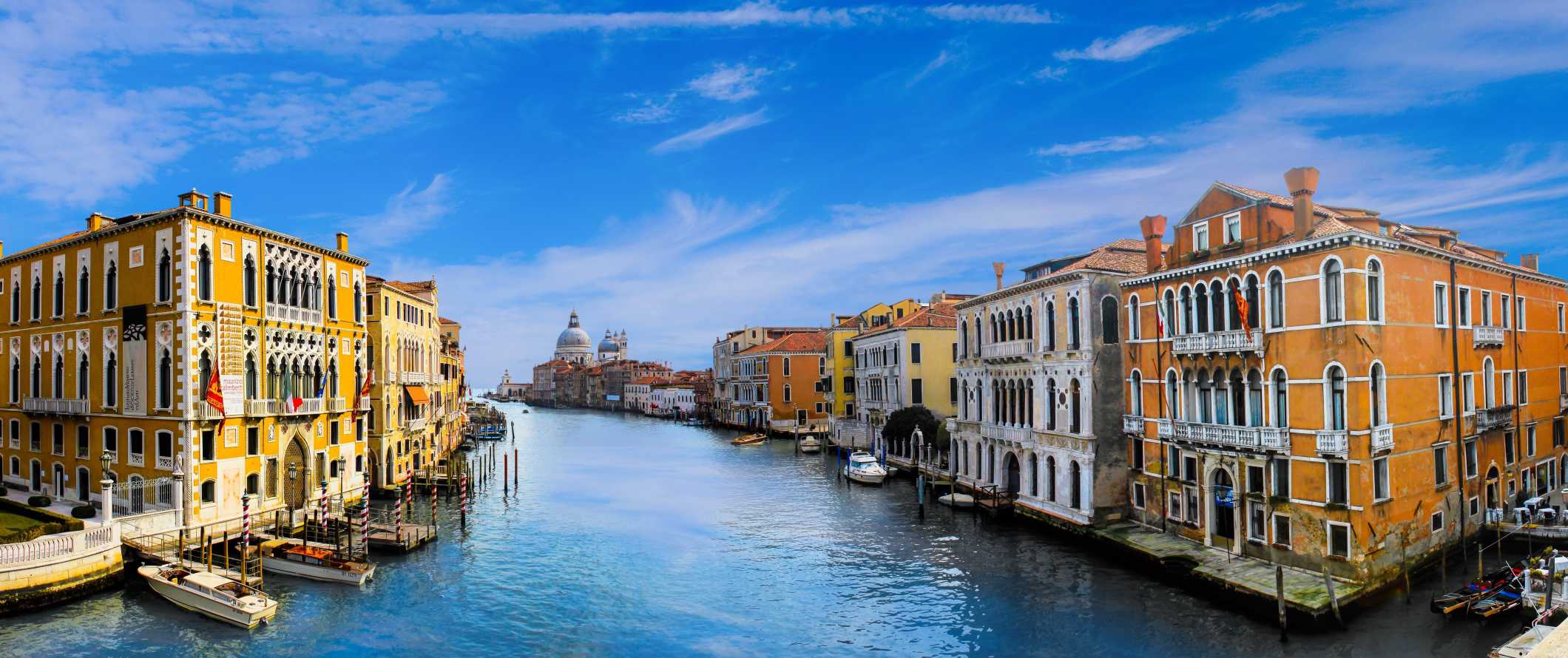
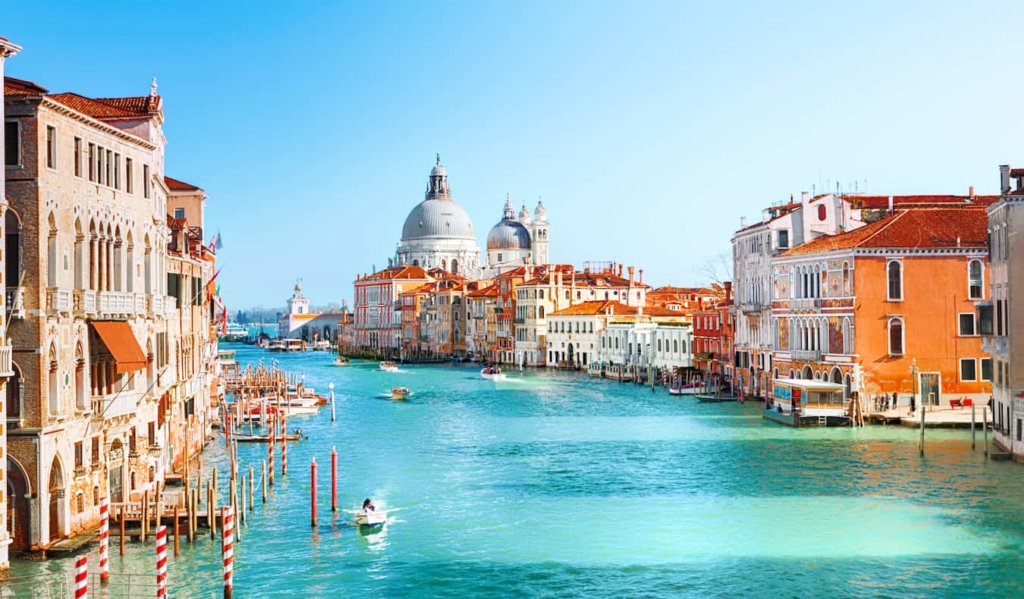
With its iconic canalspicturesque gondolasand winding streetsit’s no surprise that Venice is considered one of the most romantic cities in the world. But while the city is popular with honeymoonersit’s also a huge destination for cruisers and backpackerstoo.
It should be obvious as to why.
Venice is beautifulfunand full of narrow streets and alleys to get lost in. It’s a magical place unlike any other. There are museumspalaceshistoric town squares to exploreand endless gelato to eat.
Unfortunatelythe city is also expensive and overtourism has become a real problem. No matter what time of the yearyou’re going to encounter crowds. In factif you come in the summerit’s going to be unbearable (and if you come when a cruise ship is dockedit’s even more unbearable!)
But that doesn’t mean you should skip a visit!
You can avoid the crowds if you skirt around the center of the city and head to some of the outer islands like Burano and Murano. Tourists tend to cluster in a few places and are easy to escape.
This travel guide to Venice can help you beat the crowdssave moneyand make the most of your time in this famous Italian city!
Click Here for City Guides
Top 5 Things to See and Do in Venice
1. Visit the Basilica San Marco
St. Mark’s Basilica is dedicated to the patron saint of the city and is located in the Piazza San Marco. It’s spires and domes dominate the square’s skyline and the colorful mosaics above all the arched entryways are incredible. While there has been a place of worship on this site since 820 CEthe current basilica was built in 1063. It’s filled with amazing 11th-century mosaicsmarble-covered wallsstatuesand five gold-covered Byzantine domes depicting scenes of Jesus and his disciplesalong with various saints. Everywhere you look there’s some new piece of artwork to enjoy.. The High Altar also supposedly contains some of St. Mark’s remains. It’s 3 EUR to visit the basilica (or 6 EUR for a skip-the-line ticket). Even though it’s super touristy and crowdedI enjoyed the expansive and ornate interior. There are also a variety of combined entrance tickets depending on which attractions in the complex you want to visit. The Complete Basilica Ticketwhich includes the BasilicaPala d’Oro (golden altar)Museumand Loggia Cavalli (terrace with views and other exhibits)costs 20 EURwhich includes skip-the-line entry. You can also do a guided tour after hours when the crowds have left with Walks of Italy for around 110 EUR.
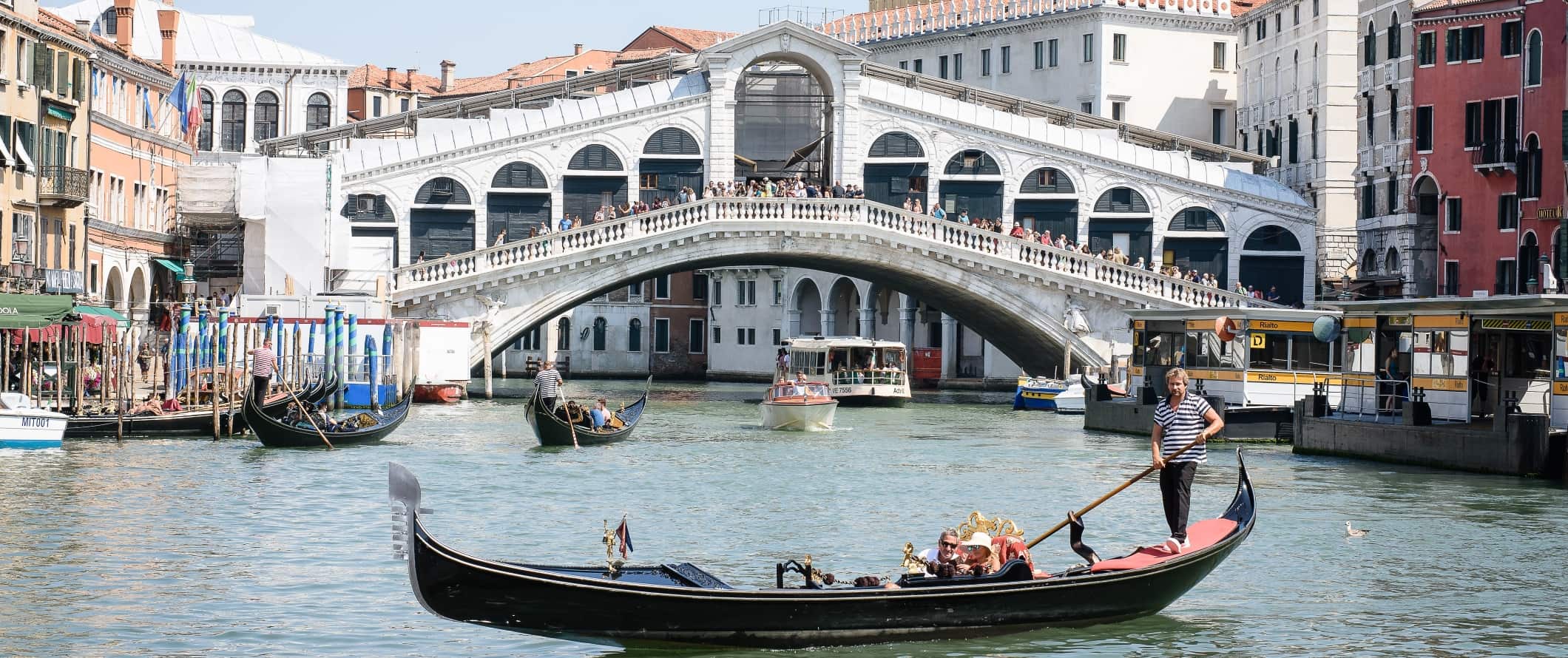
2. Walk across Rialto Bridge
While it’s now one of four bridges that cross the Grand Canalfor centuriesthe Rialto Bridge was the only way to get from one side to the other. Originally built as a floating bridge in the 12th centuryit was first constructed for easier access to the Rialto Market (hence the bridge’s name). The current iteration of the bridgecompleted in 1591was created by Antonio da Pontewho beat out Michelangelo for the job. The entire bridge is made of Istrian stone and crosses the Grand Canal at its narrowest pointconnecting the San Polo and San Marco districts. It offers amazing views of the houses that line the Grand Canal and is an iconic place to get pictures from. To beat the crowdscome at sunrise.
3. Tour the Doge’s Palace
Located in St. Mark’s SquareDoge’s Palace is one of Venice’s main landmarks and was the home of the duke who ruled Venice. The massive building was originally built in the 14th century in the Venetian Gothic though it has been renovatedextendedand modified over the centuries. The interior is filled with artworkgilded ceilingsand an armory. You can also descend into the prisons and cross the famous Bridge of Sighs. Admission is 25 EUR as part of the Combined Museums of San Marco ticketwhich includes entrance to the Correr Civic Museumthe National Archaeological Museumand the monumental rooms of the Marciana National Library.
4. Attend Carnival
Carnival is ten days of masquerade madness every February leading up to Mardi Grasthe day before the start of Lent on Ash Wednesday. The tradition goes back centuriesstarting in the 12th century and reaching the height of popularity in the 18th century. The festival was on pause for nearly two centuries starting in 1798 when the city was under Austrian rule (when masks were banned). It wasn’t until 1979 that Carnival was revived. Todayit is one of the biggest festivals in Italywith millions of people attending every year. I did it a few years ago and it is incredibly fun. The city is packed with people all dressed up like it’s 1785 and there’s a lot of music around too. It’s one of the best things I’ve ever done. If you have the fundspay to attend a traditional masquerade ball in one of the city’s ancient mansions! Book your accommodation early as the city fills up months in advance.
5. Day trip to Burano
This island makes for a great trip from the main island and it’s much less crowded too. Burano is known for its colorful buildings (the government actually regulates house painting on this island so the place retains its charm and history). Wander the streets and admire the many art galleries and shops here. All around the Piazza Galuppi are brightly colored buildings that house little shops and plenty of seafood restaurants. Tucked away in the side streets of the island is an interesting lace museum inside a Gothic palace. It’s only 5 EUR to visit and is something unique to do here. Take a walk along the Tre Ponti bridge for idyllic scenes of more colorful buildings with the striped poles along the water. There’s even a leaning bell towerlike the one in Pisa. Burano is only 7 kilometers (4 miles) from Venicewhich is a 45-minute trip by vaporetto (water bus).
Other Things to See and Do in Venice
1. Take a walking tour
The first thing I do when I arrive in a new city is take a free walking tour. It’s the best way to see the main sights on a budget while connecting with a local guide who can share their insider tips and advice. Venice Free Walking Tour runs regular free tours that cover all the highlights. The tour lasts a couple of hours and hits the major highlights. Just be sure to tip your guide at the end!
If you want to invest in your experience and take a more detailed walking tourmy favorite company is Take Walks. They have amazing walking tours and boat tours all around the city. They use expert local guides so you’ll not only have fun but you’ll learn a lot too!
2. Wander the Piazza San Marco
This is the most famous and largest piazza (city square) in Venice. The grand square has long been a popular meeting spot for Venetians and is home to many important city highlightsincluding the basilicaits bell towerthe Doges Palaceand the National Archaeological Museum. (You can visit all of these sights on a combined Piazza San Marco ticketwhich costs 25 EUR). The Piazza is most impressive when approached from the water as you get a full sense of the scale and history of these antiquated buildings.
3. Head to the island of Lido
If you want to escape the cityLido is a nearby island where people go to relax on the beach. There are lots of picturesque canals hereas well as restaurantscafesand bars. The island is only 12 kilometers (7.5 miles) long and has actual roadsunlike Venice. It’s perfect for exploring on bike and there are a handful of places to rent them near the ferry terminal. The sandy beaches on the eastern side of the island are the perfect place to relax and you’ll see locals here soaking up the sun on a warm day. On the southern part of the islandknown as Alberonithere’s a natural oasis that has a pine forest and sand dunes to explore. I thought it was a really interesting mix of desert and swampy landscapes. Every Augustthe world of cinema descends on Lido for the Venice Film Festivalthe oldest and one of the most prestigious film festivals in the world. Lido is only a 20-minute vaporetto ride (water bus) from Venice. A round-trip ticket costs 16 EURor for 18 EUR you can get a round-trip ticket that can be used for the buses on Lido too.
4. Visit Murano Island
Close to Venicethis island is the home of the famous Murano glassblowerswho have been creating intricate glassworks here since 1291. Although Murano is filled with expensive souvenirs (avoid buying anything on the island if you’re on a budget!)you can still have an educational and fun afternoon learning and watching how the glass is blown. I was totally impressed by how quickly they can turn the hot glass into a shape you recognize. The Murano Glass Factory only costs 5 EURwhich includes the glass blowing demonstration and guided tour of the factory. You’ll see all sorts of pieces from vases to ornate chandeliers. It’s an absolute mustin my opinion. To get to Muranoyou can take the vaporetto for 7.50 EUR.
5. Wander the Rialto Market
The Rialto Market is Venice’s main market and it has been around for the past 700 years. It’s a huge food market with all kinds of meatproduceand fish. I loved the smell of fresh fruits and vegetables that fills the market. If you’re going to cook your own mealsthis is the best place to find ingredients. It’s not as big as it used to be as more and more residents have moved out of the city but it’s still the main spot to grocery shop at. Come in the morning before the market is flooded with tourists to watch all the hustle and bustle as chefs pick up supplies for the day. You’ll find the market northwest of the Rialto Bridge in the district of San Polo.
6. Tour the Peggy Guggenheim Collection
This is the personal art collection of art collector Peggy Guggenheimlocated in her former mansion along the banks of the Grand Canal. It is a massiveavant-garde collection of art with works from more than 200 artists like Salvador DaliPablo Picassoand Jackson Pollock. While modern art is not my favorite kind of artthere are countless pieces by surrealistsabstract expressionistsand Italian futurists that make the museum worth a visit and the mansion itself is really beautiful. There’s also an outdoor sculpture garden. Admission is 16 EUR. You can book your tickets online for a 1 EUR fee.
7. Climb the Campanile di San Marco
Built in 1912this tower in Piazza San Marco is a replica of the original Bell Tower of St. Mark (which was built in the 16th century and collapsed in 1902). It said that every last detail of the structure is a match. Standing at almost 100 meters (328 feet) tallit’s the tallest structure in Venice. The tower was originally constructed for defensive purposes so that watchmen could see ships coming in and out of the city. For 10 EURyou can climb up through the inner workingsand it was my favorite place to get a panoramic view of the city.
8. Watch the Vogalonga
The Vogalonga is a non-competitive 20-mile marathon rowing event held annually in May. This tradition originated in 1974 as a protest against the increasing number of powerboats taking over Venice’s waters. Thousands of people from all over the world take part every yearin all different kinds of boatsincluding gondolaskayakscanoesdragon boatsstand-up paddleboardsand more (some people even swim!). It’s incredible to watch and one of the biggest events of the year.
9. Visit the National Archaeological Museum
This museum was created in 1523 by Italian nobleman and cardinalDomenico Grimani. Although it’s a small museumthe National Archaeological Museum’s collection of Greek sculpturesRoman bustsfunerary stelaeand other relics date back as far as the 1st century BCE. It’s the best ancient history museum in the city. Tickets are 25 EUR as part of the Combined Museums of Piazza San Marco (which includes entrance to the Doge’s Palacethe National Archaeological Museumand the monumental rooms of the Marciana National Library).
10. Check out the Correr Civic Museum
The Correr Civic Museum includes an expansive collection of art and artifacts showcasing the city’s historyas well as works from the homes of former royals (including Napoleon Bonaparte). You can spend hours here viewing the frescoesancient mapsstatuesreligious paintingsand all the other historical stuff they have here. It’s a cool museum to nerd out in. Tickets are 25 EUR as part of the Combined Museums of Piazza San Marco (which includes entrance to the Doge’s Palacethe National Archaeological Museumand the monumental rooms of the Marciana National Library).
11. Peruse the art at the Galleria dell’Accademia
The Galleria dell’Accademia was established by Napoleon Bonaparte and is home to numerous artistic works from the 14th-18th centuriesincluding masterpieces from Bellini and Tintoretto. Its most famous piecehoweveris Leonardo da Vinci’s small ink drawing titled Vitruvian Man (howeverit’s rarely on display due to the fragile and light-sensitive nature of the work). The museum takes a few hours to see. Tickets are 15 EUR. If you go between 8:15 and 9 AMyou can get a ticket for 10 EUR.
12. Explore the Jewish Ghetto
The Jewish Ghetto is a neighborhood located in the north-western part of Venice. It’s considered to be the world’s first ghettoestablished in 1516 when everyone in the city’s Jewish community was forced to relocate here. They were only allowed out during the day and then were locked up and heavily guarded in the evening. Todaythe Jewish Ghetto is full of restaurantsshopsmuseumsand synagogues. It’s a lively place to explore but is often overlooked by tourists. At nightit’s bustling with locals spilling out of bars and having a good time.
13. Take a food tour
To learn more about the history and culture behind Venice’s cuisinetake a food tour. It’s the best way to eat your way around the city sampling the best eats Venice has to offer while learning what makes the cuisine unique. Devour Tours runs in-depth food tours led by expert local guides that will introduce you to the food culture and its history. If you’re a foodie like me who wants to learn more about the history and culture behind each dishthese tours are for you! Tours start at 91 EUR.
How to Stay Safe in Venice
Venice is a very safe place to backpack and travel around. As with most of Italy’s citiesVenice’s biggest safety risk is petty theft and pickpocketing. This is especially true in crowded tourist areas and on public transportationso keep a close eye on your belongings and never flash your valuables when out and about.
Scams here are rare but you can read about common travel scams to avoid by clicking this link.
Solo female travelers should generally feel safe here. Howeverthe standard safety precautions apply (never leave your drink unattended at the barnever walk home alone intoxicatedetc.). There are many incredible solo female travel blogs on the web that can give you specific information about a place. They’ll give you tips and advice that I can’t.
If you come during autumn or winteryou may be at risk for acqua alta (“high water”). Flooding is a common occurrence due to rising ocean levels. Choose accommodations closer to the upper part of townnear Piazzale Roma or the rail station.
If you experience an emergencydial 113 for assistance.
Always trust your gut instinct. Make copies of your personal documentsincluding your passport and ID.
The most important piece of advice I can offer is to purchase good travel insurance. Travel insurance will protect you against illnessinjurytheftand cancellations. It’s comprehensive protection in case anything goes wrong. I never go on a trip without it as I’ve had to use it many times in the past. You can use the widget below to find the policy right for you:
Where to Stay in Venice
Finding an affordable place to stay in Venice is challengingbut not impossible. My recommended places to stay in Venice are:
- Generator Venice
- Anda Venice (Get 10% offa free welcome drink and a free city map if you’re a member of HostelPass)
- Ostello S. Fosca – CPU Venice Hostels
- Camping Serenissima
- Hotel Mezzo Pozzo
- Hotel San Gallo
- Hotel Villa Rosa
Venice Travel Costs
Accommodation
- Hostel Dorms – 33-60 EUR per night (+10-20 EUR during summer)
- Hostel private rooms – 95-160 EUR per night
- Budget hotels – 80-105 EUR per month (double in summer)
- Airbnb private rooms – 90-110 EUR per night
- Airbnb apartments – 125-150 EUR per night
- Campsite – 25-30 EUR (40-50 EUR for cabins)
Food
- Street food – 5-12 EUR
- Sit-down restaurants – 20-50 EUR
- Casual take-out places – 10-18 EUR
- Fast food (think McDonald’s) – 10 EUR
- Beer – 4-5 EUR
- Glass of wine – 5-7 EUR
- Cocktails – 7-9 EUR
- Cappuccino/latte- 2 EUR
- Bottled water – 1.50 EUR
- Groceries for a week – 50-60 EUR
Venice Suggested Budgets
Backpacker – 80 EUR Per Day
On this budgetyou can stay in a hostel dormcook all of your mealsand take public transportation to get around. You’ll want to limit your drinking and do mostly free activities like taking free tours and wandering the markets. If you plan on drinkingadd 5-10 EUR to your daily budget.
Midrange – 195 EUR Per Day
On a mid-range budgetyou can stay in a private Airbnbbudget hotelor private hostel room. You’ll be able to eat out for most mealsenjoy a few drinkstake the occasional water taxi to get aroundand do more paid activities like day-tripping to the nearby islands and touring the museums and galleries.
Upscale – 315 EUR Per Day
On a “luxury” budgetyou can stay in a hoteleat out for all your mealsdrink as much as you wanttake more taxisand do whatever tours and activities you want. This is just the ground floor for luxury though. The sky is the limit!
Venice Travel Guide: Money-Saving Tips
It doesn’t matter what time of year you visitVenice is going to be expensive. Not only is it one of the most expensive places to live in Italybut its massive popularity with tourists means prices for travelers are always high. This is not really a budget city. That saidhere are some ways you can lower your expenses when you visit Venice:
- Don’t eat at Piazza San Marco – This is the area with the most touristsmaking it much more expensive. Avoid eating here at all costsno matter how tempting the cafe patios might be.
- Cook your food – Food is one of the highest costs in the city so if you’re on a budget it’s a good idea to cook your own meals. It’s not fancy but you’ll save a ton!
- Redeem hotel points – There’s nothing better than free accommodation when you’re traveling! You can sign up for hotel credit cards and use those points when you travel. Most cards come with at least 1-2 nights free when you get the card. Here’s an article that can help you get started so you can start earning points now and have plenty for your trip.
- Walk around and get lost – Venice is so beautiful that it’s a thrill just strolling through the city seeing the old buildingchurchesartistsandbest of allgetting a bit of people-watching in.
- Use discount vaporetto tickets – Get a day pass (or multi-day pass) for the water bus if you plan on traveling around the city a lot. It can save you money after just a few trips. A single trip is 9.50 EUR and a one-day pass is 25 EUR. You can get a two-day pass for 35 EUR and a three-day pass for 45 EUR. If you’re planning on staying longera seven-day pass is 65 EUR. This includes trips to islands like Murano and Burano.
- Get a combined museum pass – There are a couple of main options for combined museum passes: St. Mark’s Square Museum Pass (which costs 25 EUR for admission to all the attractions in St. Mark’s Square) or the Venice Museum Pass (which costs 45 EUR for admission to the St. Marks’ Square museums as well as 9 other museumsincluding the Murano Glass Museum).
- Get the Venezia Unica Pass – If you are going to do lots of sightseeingthis pass gives you discounts to the top museumstoursand attractions. It is priced to save you money when compared to buying separate tickets. You go online and pick out what you want to see ahead of time. The price varies depending on what you want to see but you’ll save a lot.
- Buy your own booze – You can buy a great bottle of wine for under 10 EUR at the store. Getting your own bottle is a much more economical way to drink. Sit in one of the squareshave a glass of wineand watch the world go by.
- Stay with a local – Accommodation is very expensive in Venice. Try using Couchsurfing to stay with locals for free and make a new friend to show you around this amazing city.
- Go on a free walking tour – This is the best way to learn about the city on a budget. It will fill a few hours. Just be sure to tip your guide at the end!
- Bring a water bottle – The tap water here is safe to drink so bring a reusable water bottle to save money and reduce your plastic use. LifeStraw is my go-to brand as their bottles have built-in filters to ensure your water is always clean and safe.
How to Get Around in Venice
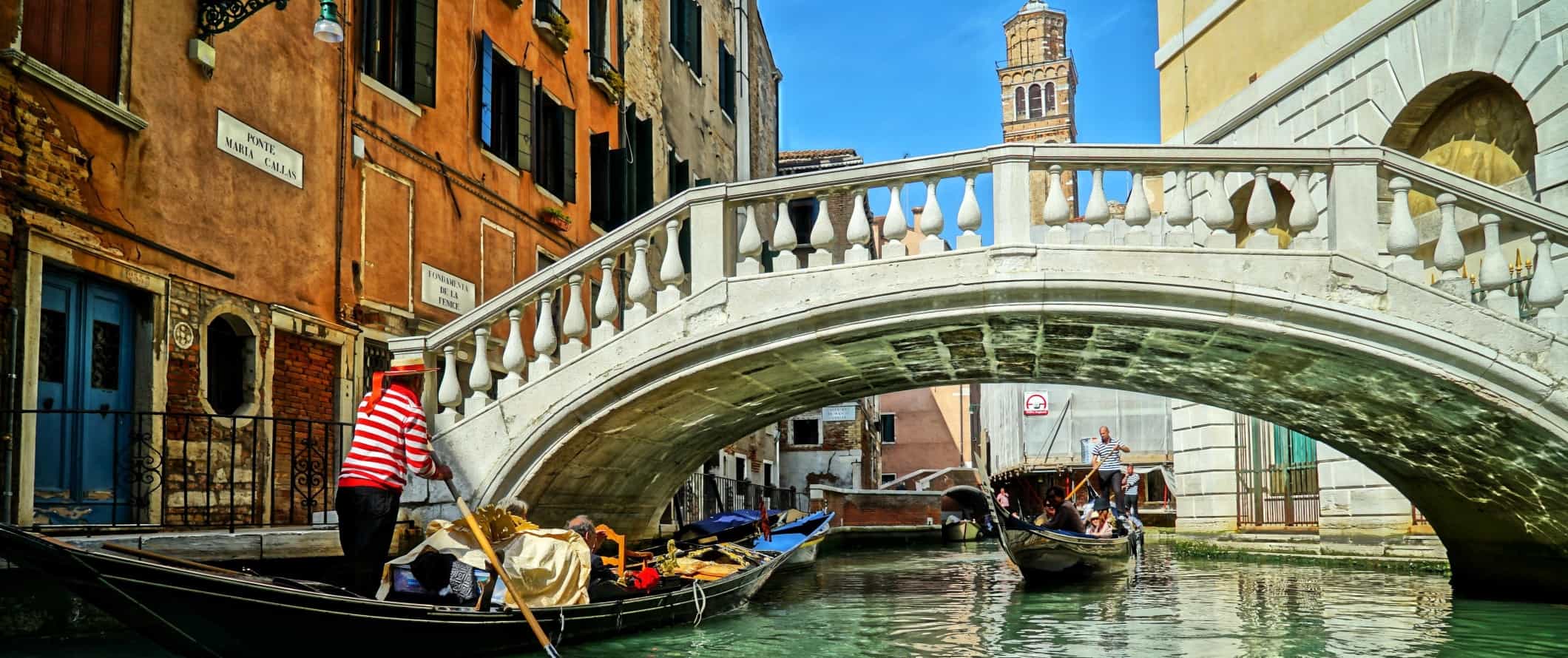
Venice is a pedestrian city. Unless you’re taking water taxis or floating busesyou’ll be walking everywhere.
Vaporetto – A vaporetto is a floating “bus” that can get you just about everywhere you need to go. They’re not cheapwith one-way tickets costing 9.50 EUR. Tickets are valid for 75 minutes. You can get a 24-hour pass for 25 EURa 48-hour pass for 35 EURa 72-hour pass for 45 EURor a 7-day pass for 65 EUR.
If you’re traveling to MuranoTorcelloor Lidoyou’ll be on the same vaporetto system but on a larger boat known as motonave. The prices are the same.
Water taxi – Private water taxis are incredibly expensive and should be avoided unless you’re in a huge rush or you have lots of luggage. Rates start at 15 EUR and then 2 EUR per minute. If you want to order a water taxi to your hotelyou’ll pay a surcharge.
When to Go to Venice
Venice is at its peak busyness in the summer. Prices skyrocket and the crowds are intense. Temperatures hover around 18-28°C (66-83°F) from June through August. If possibleI’d avoid visiting during this time as the city is bursting with cruisers and the crowds are massive. The Venice Film Festival runs from late August through early September and usually coincides with the Regata Storicathe largest boating event of the year with racesprocessionsand more. This means the city will be even more crowded than usual.
Spring is a beautiful time to visit since temperatures are more manageableusually between 17-22°C (63-72°F)and the city is not overly crowded. The Festa della Sensa happens on the second Sunday in May and celebrates the city’s relationship with the sea. There’s a procession of traditional rowing boats and a symbolic marrying of the city to the sea. The Vogalonga also happens in May. This is a competitive rowing event that covers thirty kilometers around the lagoon. There are colorful boats and celebrations around the city.
Tourism also eases off in the fall and winterand temperatures are coolerranging from 4-12°C (44-55°F). Howeverthis is also known as the acqua alta (“high water”) periodwhere flooding in the streets can occur.
In FebruaryCarnevale takes over the city. It’s a great timebut expect chaos and inflated prices.
Overallyou’re going to face crowds whenever you gobut if you can avoid peak season in the summeryou’ll find the city pleasant to visit.
Venice Travel Guide: The Best Booking Resources
These are my favorite companies to use when I travel. They consistently have the best dealsoffer world-class customer service and great valueand overallare better than their competitors. They are the companies I use the most and are always the starting point in my search for travel deals.
- Skyscanner – Skyscanner is my favorite flight search engine. They search small websites and budget airlines that larger search sites tend to miss. They are hands down the number one place to start.
- Hostelworld – This is the best hostel accommodation site out there with the largest inventorybest search interfaceand widest availability.
- Booking.com – The best all around booking site that constantly provides the cheapest and lowest rates. They have the widest selection of budget accommodation. In all my teststhey’ve always had the cheapest rates out of all the booking websites.
- HostelPass – This new card gives you up to 20% off hostels throughout Europe. It’s a great way to save money. They’re constantly adding new hostels too. I’ve always wanted something like this and glad it finallt exists.
- Get Your Guide – Get Your Guide is a huge online marketplace for tours and excursions. They have tons of tour options available in cities all around the worldincluding everything from cooking classeswalking toursstreet art lessonsand more!
- The Man in Seat 61 – This website is the ultimate guide to train travel anywhere in the world. They have the most comprehensive information on routestimespricesand train conditions. If you are planning a long train journey or some epic train tripconsult this site.
- Trainline – When you’re ready to book your train ticketsuse this site. It streamlines the process of booking trains around Europe.
- Rome2Rio – This website allows you to see how to get from point A to point B the best and cheapest way possible. It will give you all the bustrainplaneor boat routes that can get you there as well as how much they cost.
- FlixBus – Flixbus has routes between 20 European countries with prices starting as low 5 EUR! Their buses include WiFielectrical outletsa free checked bag.
- SafetyWing – Safety Wing offers convenient and affordable plans tailored to digital nomads and long-term travelers. They have cheap monthly plansgreat customer serviceand an easy-to-use claims process that makes it perfect for those on the road.
- LifeStraw – My go-to company for reusable water bottles with built-in filters so you can ensure your drinking water is always clean and safe.
- Unbound Merino – They make lightweightdurableeasy-to-clean travel clothing.
- Top Travel Credit Cards – Points are the best way to cut down travel expenses. Here’s my favorite point earning credit cards so you can get free travel!
- FerryHopper – If you’re looking to book your ferriesthis website is an easy way to search the various companiespiece together routesand book your tickets.
- Walks of Italy – This walking tour company provides inside access to attractions and places you can’t get elsewhere. Their guides rock and they have some of the best and most insightful tours in all of Italy.
- BlaBlaCar – BlaBlaCar is a ridesharing website that lets you share rides with vetted local drivers by pitching in for gas. You simply request a seatthey approveand off you go! It’s a cheaper and more interesting way to travel than by bus or train!
GO DEEPER: Nomadic Matt’s In-Depth Budget Guide to Europe!
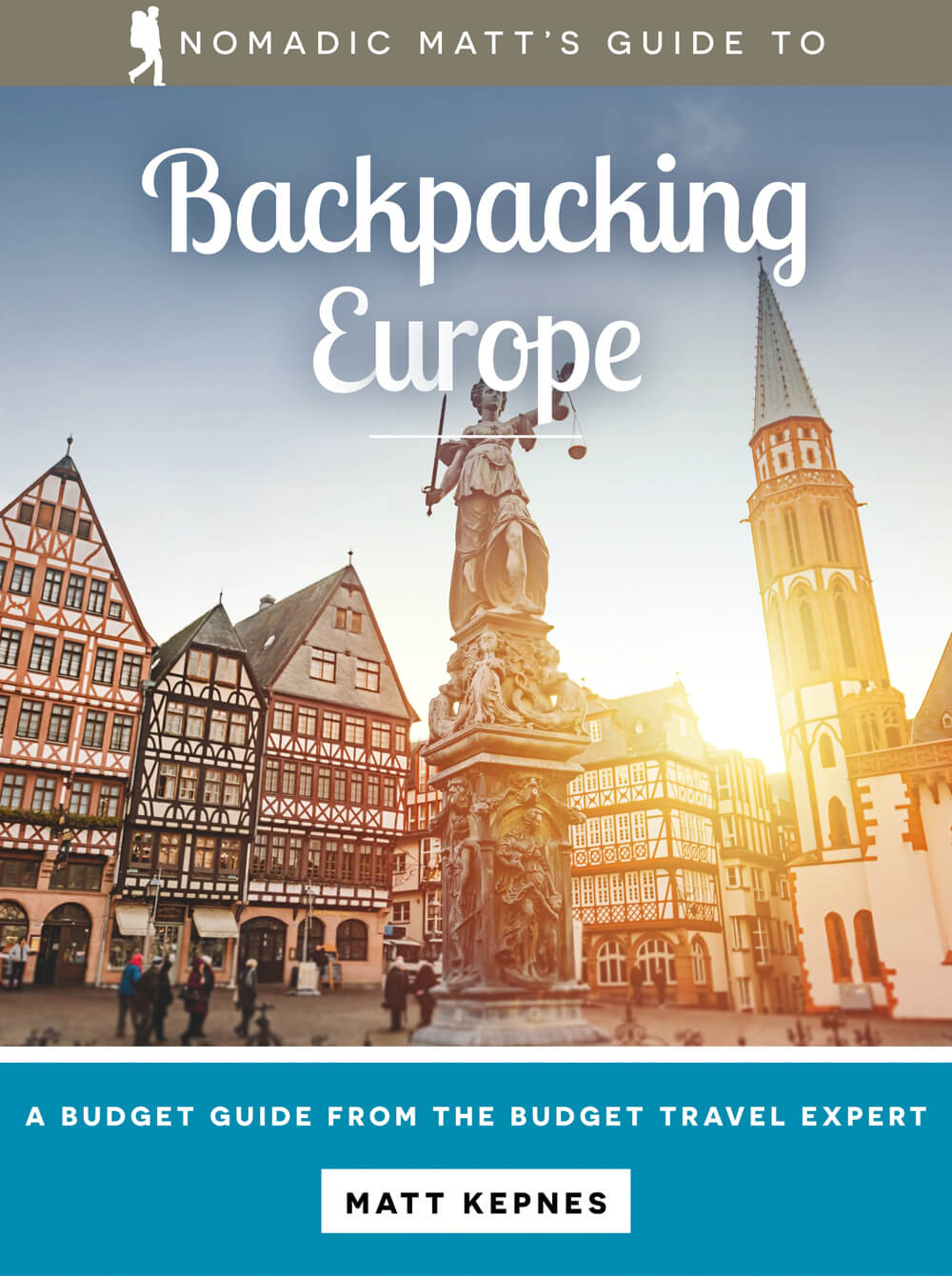
There’s a lot of free information online but do you want to spend days searching for information? Prob not! That’s why guidebooks exist.
While I have a lot of free tips on EuropeI also wrote an entire book that goes into great detail on everything you need to plan a trip here on a budget! You’ll get suggested itinerariesbudgetseven more ways to save moneymy favorite restaurantspricespractical information (i.e. phone numberswebsitespricessafety adviceetc.etc.)and cultural tips.
I’ll give the insider view of Europe that I got from years of traveling and living here! The downloadable guide can be used on your KindleiPadphoneor computer so you can have it with you when you go.
Click here to learn more about my book on Europe!
Venice Travel Guide: Related Articles
Want more tips for your trip? Check out all the articles I’ve written on Italy travel and continue planning your trip: